Wellesley Single Family vs Condo: Which Move Fits Best?
June 4, 2026
June 4, 2026
If you are planning your next move in Wellesley, the biggest question may not be whether to stay in town. It may be how you want to live once you do. For many buyers and downsizers, the real choice comes down to a single-family home with more space and privacy or an in-town condo with easier upkeep and stronger walkability. This guide will help you compare both paths through a Wellesley lens, so you can weigh lifestyle, cost, and long-term fit with more confidence. Let’s dive in.
Wellesley is still, at its core, a single-family town. The town’s 2025 draft Strategic Housing Plan shows 7,315 single-family parcels compared with 666 condominium parcels, which helps explain why the two options can feel very different in both availability and day-to-day lifestyle.
That same plan shows that most of Wellesley’s housing was built before 1960. It also notes that from 2003 to 2025, the single-family count rose by just 95 homes while condominiums increased by 320 units. In practical terms, that means single-family supply has stayed tight, while condo options have gradually expanded, especially in more village-oriented locations.
Wellesley is also compact, with 31,239 residents and an 84.4% owner-occupied housing rate. The town has three commuter-rail stops, and its commercial life is centered around village areas like Wellesley Square, Wellesley Hills, the Fells area, and Linden Square. That matters because an in-town condo in Wellesley is often less about the unit alone and more about access to a village-center lifestyle.
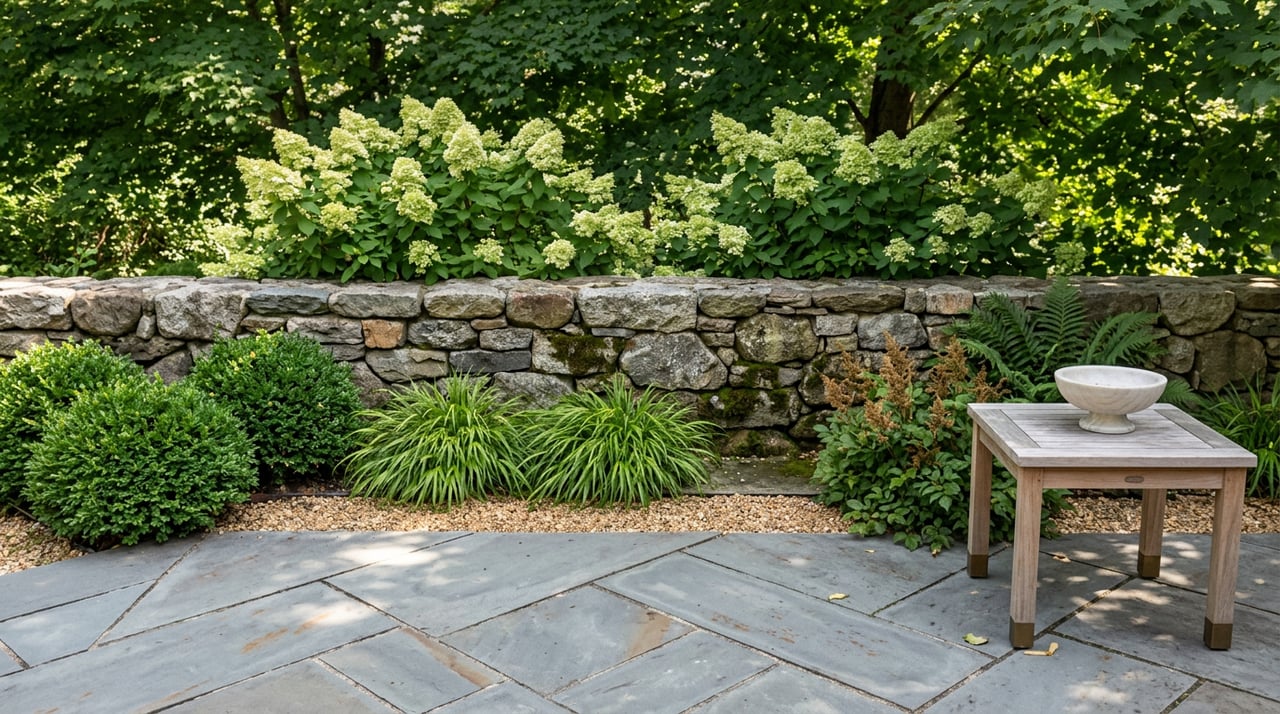
A single-family home still represents the classic Wellesley move for many buyers. You may have more yard space, more privacy, and more flexibility in how you use your home over time. If you want room for guests, hobbies, storage, or future renovation plans, a house can offer a wider range of possibilities.
The town’s draft housing plan puts the median single-family assessed value at $1.656 million. It also shows a median lot size of 15,000 square feet, a median residential area of 2,086 square feet, and a median year built of 1950. That gives you a useful baseline for what much of Wellesley’s single-family stock looks like.
There is another side to that appeal. Older homes can bring ongoing maintenance, and larger lots can mean more exterior work, seasonal care, and repair planning. If you love the idea of managing and customizing a home, that may be a good fit. If you are hoping to simplify, it may feel like more responsibility than you want.
Single-family ownership usually gives you more control than condo living, but in Wellesley that control is not unlimited. The town’s Large House Review can apply to certain new builds and additions that exceed district thresholds, and the process involves Planning Board and Design Review Board review.
The town says that process typically takes 3 to 4 months to reach a building permit. Wellesley also has neighborhood conservation tools designed to preserve neighborhood character. So while a house can give you more freedom to update and expand, it is wise to view that freedom through the lens of local review and planning.
For buyers who see renovation potential, this is where experienced guidance matters. Understanding not just the house, but also what changes may be practical, can shape whether a property truly fits your goals.
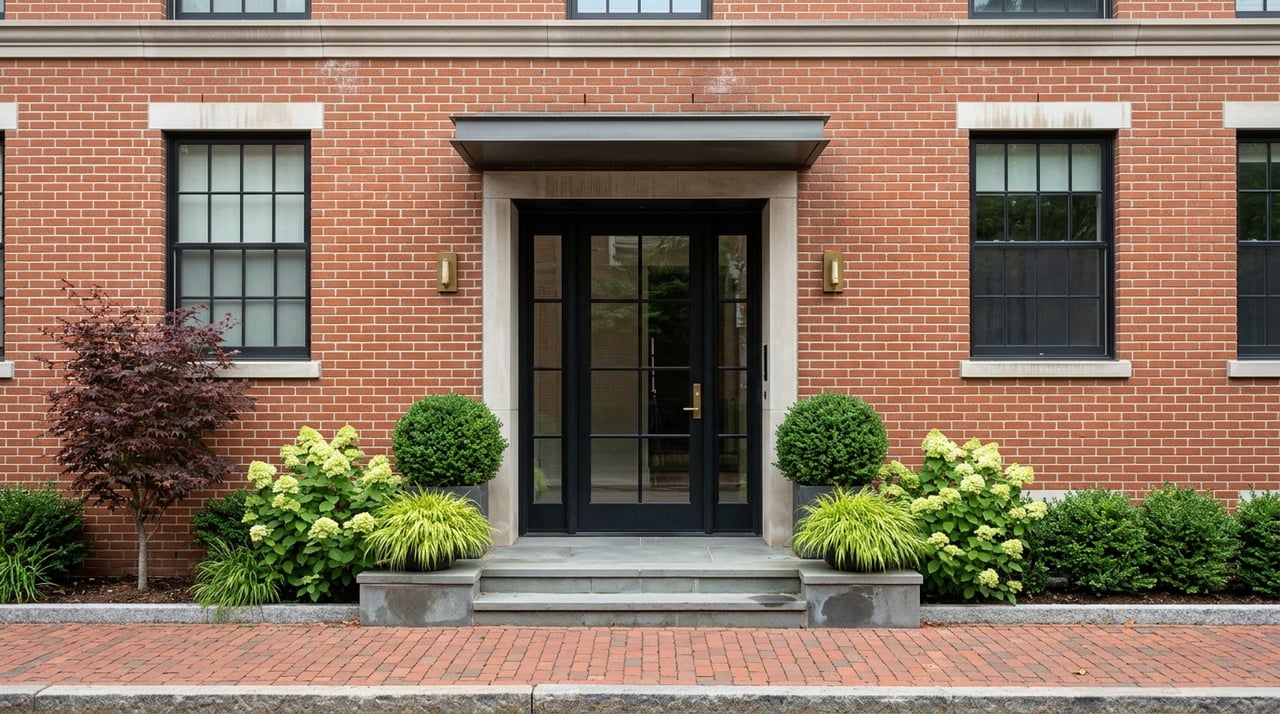
In Wellesley, an in-town condo is often a lifestyle choice first. It usually means less exterior upkeep, less hands-on property management, and better proximity to shops, services, and transit in the village centers.
Condo inventory is also more geographically concentrated than single-family inventory. The FY2026 assessment roll includes units and townhouse-style condo complexes on Linden Street and Oak Street, Grove Street, Washington Street, Russell Road, Walnut Street, Brook Street, and other village-adjacent corridors. That pattern lines up with the town’s zoning structure and reinforces the fact that condo living in Wellesley is tied closely to specific pockets of town.
For many people, that is the appeal. You may be able to walk more often, drive less often, and spend less time worrying about exterior maintenance. That can be especially attractive if you are downsizing, traveling often, or simply looking for an easier daily routine.
Wellesley’s own mobility and safe-routes planning shows that the strongest walking potential is concentrated near the center of town. The highest walkable-trip potential is especially around Wellesley Square, Wellesley Hills, Wellesley Farms, and Lower Falls.
The studies also note that while many roads have sidewalks on at least one side, Wellesley remains more car-dependent away from the village cores. So if walkability is high on your list, location matters tremendously. An in-town condo near a village center can deliver a very different day-to-day experience than a property farther from those areas.
This is one of the biggest reasons the single-family versus condo question in Wellesley is not just about square footage. It is also about whether you want a more village-centered routine or a more space-centered one.
A condo is not automatically the budget option in Wellesley. The town’s draft housing plan shows a 2024 median condo sale price of $1.7875 million, compared with $2.1035 million for single-family homes. That is a meaningful gap, but it is narrower than many buyers assume.
Wellesley’s own assessment data also shows a very wide condo price range. Some units sit well below the town’s single-family benchmark, while luxury in-town condos can be assessed at well over $2 million. In other words, condo living can mean either a simpler footprint or a high-end, low-maintenance alternative, depending on the property.
Taxes matter too. Wellesley’s FY2026 tax rate is $10.17 per $1,000 of assessed value, and the town’s median assessed residential value is $1.751 million. That produces a median residential tax bill of $17,808 per year, or about $1,484 per month.
When you compare a house and a condo, it helps to look beyond the purchase price. Your monthly carrying cost may include:
For condos, dues can materially change the monthly picture. Massachusetts guidance explains that condo associations manage common areas, common expenses, reserve funds, and shared maintenance and insurance obligations. Because of that, fees can vary significantly from building to building.
That means a condo with a lower purchase price may still feel expensive month to month if the association fee is high. A single-family home may avoid condo dues, but it can come with more direct maintenance costs and more surprise expenses over time.
Wellesley’s housing data helps explain why many downsizers focus on condos or smaller attached homes. The town’s Strategic Housing Plan notes that nearly half of owner households are 1- or 2-person households, yet 63.6% of owner-occupied units are 4- or 5-bedroom homes.
That creates a clear mismatch. Many households want to stay in Wellesley but no longer need a large house. A well-located condo can offer a way to right-size without leaving the community and routines you already know.
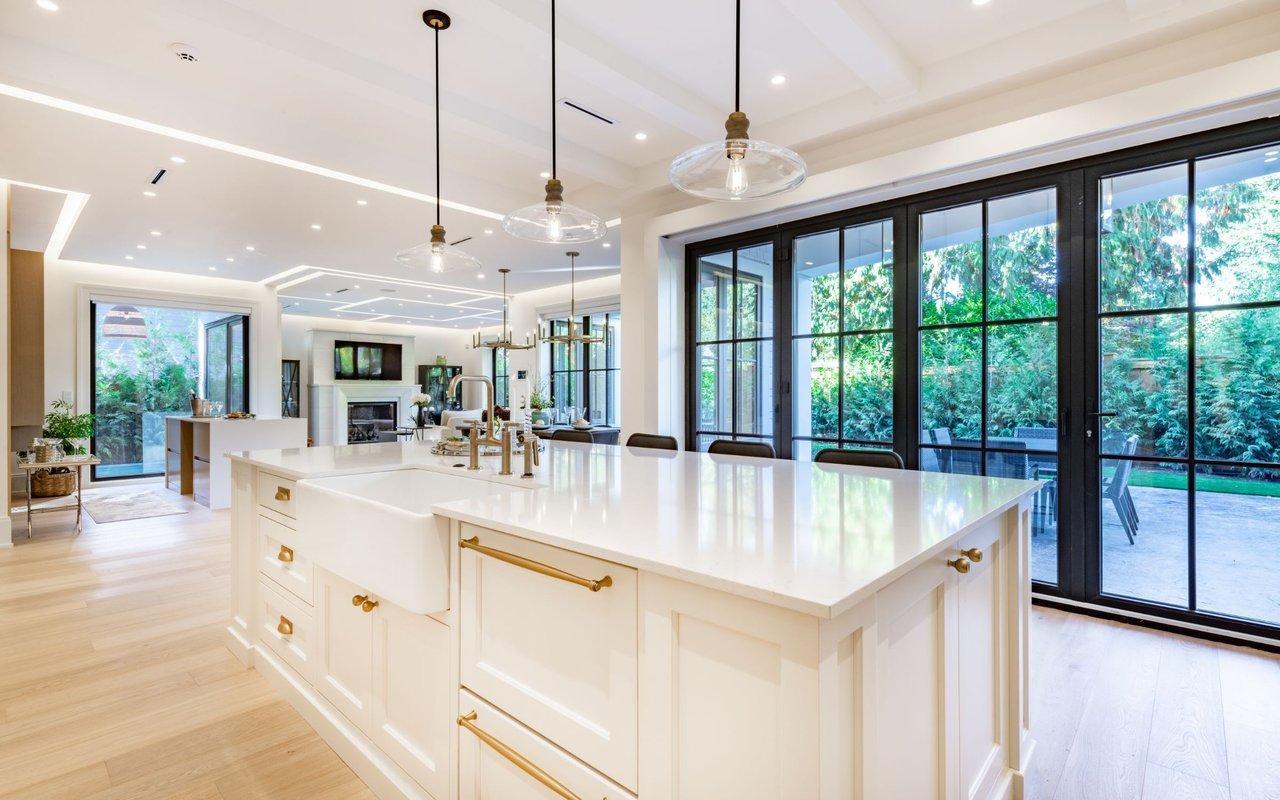
That said, downsizing is not always about going smaller at any cost. Some buyers still want gracious rooms, elevator access, garage parking, or a polished finish level that feels like a true next chapter rather than a compromise. In Wellesley, the best condo moves tend to work when the space, location, and monthly structure all align.
Wellesley remains structurally oriented toward single-family housing, even as multifamily options slowly increase. The town’s planning documents note that newer development has not led to a proportional increase in total housing units because many newer homes replace older ones.
At the same time, Wellesley is an MBTA Communities municipality with three commuter-rail stops. The town notes that required zoning capacity must be within a half mile of a station area, at a minimum gross density of 15 units per acre, with no age restriction and suitability for families with children.
The practical takeaway is straightforward. Future condo and multifamily opportunities are more likely to keep clustering near transit and village nodes than spreading evenly across town. If you value walkability and easier-maintenance living, those areas will likely remain the key places to watch.
The right answer depends less on abstract preferences and more on how you want your week to feel. A single-family home may be the better fit if you want outdoor space, storage, renovation flexibility, and more separation from neighbors. An in-town condo may be the better fit if you want convenience, less exterior maintenance, and stronger access to village amenities and commuter rail.
A simple way to think about it is this:
In Wellesley, there is no one-size-fits-all answer. The smartest move is usually the one that matches your lifestyle now, your expected monthly costs, and your comfort with maintenance and future change.
If you are weighing a move in Wellesley, it helps to have advice grounded in local inventory patterns, carrying costs, and the realities of each village location. Jamie Grossman brings decades of Wellesley and Metro West experience, along with the steady, high-touch guidance that can make a complex move feel clear and manageable.
Stay up to date on the latest real estate trends.