Listing Your Wellesley Luxury Home: Timeline And Preparation
June 11, 2026
June 11, 2026
If you are thinking about selling a luxury home in Wellesley, timing and preparation matter just as much as pricing. In a high-value market where buyers often make their first impression online, even small delays or unfinished details can affect momentum. The good news is that with a clear plan, you can launch with confidence, present your home at its best, and avoid last-minute surprises. Let’s walk through what that timeline typically looks like.
Wellesley sits in the upper tier of the Boston suburban market, and the numbers point to a presentation-sensitive environment. Current data varies by source, with average and median values ranging from roughly $1.84 million to $2.33 million depending on the time frame and slice of the market being measured. What those reports consistently show is a high-value market where pricing discipline and polished presentation are essential.
That is especially true in luxury segments across areas such as Wellesley Square, Wellesley Fells, Wellesley Farms, Dana Hall, and Babson Park. Buyers in this price range notice condition, finish quality, and how well a home is introduced to the market. A thoughtful pre-listing plan helps you protect value and make a stronger first impression.
For many Wellesley luxury homes, a realistic pre-listing timeline is about 8 to 12 weeks before launch. That window gives you time to shape pricing strategy, address repairs, coordinate vendors, and complete staging and media without rushing. If your home only needs cosmetic improvements, your timeline may be shorter, but homes with permitted work often need more time.
Wellesley notes that most construction projects require permits, and review for new construction generally takes 10 to 14 days. If your pre-sale work involves electrical, plumbing, gas, fire-protection, or structural updates, it is smart to start early. The goal is simple: finish the work well before photography and showings begin.
This first phase is where the process gets organized. You want to define pricing strategy, walk through the home with a critical eye, identify which improvements are worth doing, and gather records for prior work. For luxury listings, this stage often sets the tone for everything that follows.
This is also when concierge-style coordination becomes valuable. Instead of treating repairs, staging, and marketing as separate tasks, it helps to manage them as one connected launch plan. That kind of oversight can make the difference between a smooth rollout and a stressful one.
For sellers with larger homes or more complex estates, this planning phase is often where hidden delays are uncovered. It is much easier to solve them now than in the final week before going live.
Once the plan is in place, the next step is execution. This is the ideal time to handle cosmetic updates, exterior touch-ups, and any permitted systems work. If a buyer sees worn paint, deferred maintenance, or unfinished details in a luxury home, those issues can distract from the home’s strengths.
Wellesley routes electrical permits through the Building Department, and local fire rules require plans for new or altered fire-suppression or fire-alarm systems. If your project touches any of these areas, do not leave them for later. A rushed repair schedule can easily interfere with staging or photography.
The best pre-sale work is usually the work buyers notice right away. That may include:
Not every project adds equal value. In many cases, clean, well-maintained, and visually cohesive beats over-improving.
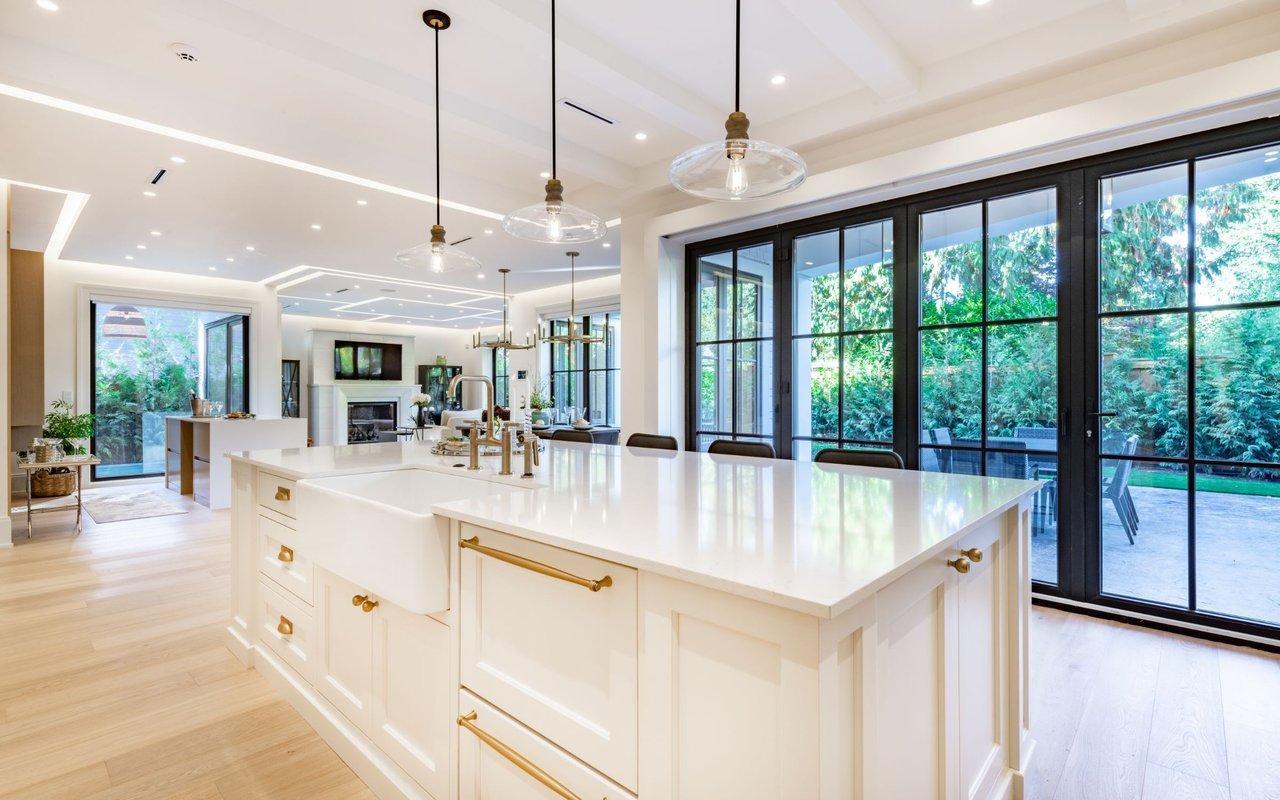
This is where your listing begins to take shape as a marketing product, not just a property. Staging, decluttering, deep cleaning, and media scheduling should happen well before the listing goes live. In luxury marketing, these steps are core strategy, not optional extras.
Recent staging research found that 83% of buyers’ agents said staging helps buyers visualize a home. The same report found that 17% said staging increased the dollar value offered by 1% to 5%, and about half of sellers’ agents said staged homes sold faster. In a market like Wellesley, that makes staging part of value protection.
If you are deciding where to focus time and budget, start with the spaces that tend to carry the most weight:
Those are the rooms buyers’ agents identify as most important to stage. Guest bedrooms tend to matter less, so if you are making trade-offs, lead with the core living spaces first.
Even beautiful homes benefit from editing. Decluttering helps rooms feel larger, cleaner, and easier to understand in photos. It also allows architectural features, natural light, and finishes to stand out.
For luxury properties, the goal is not to strip out personality. It is to create a calm, polished presentation that feels elevated and easy to imagine living in.
Most buyers begin their search online, and they often spend weeks browsing before they visit homes in person. According to recent buyer trends data, buyers typically search for about 10 weeks, and photos are the most useful website feature for nearly 9 in 10 buyers age 58 and under. That makes your first image set incredibly important.
In practical terms, your home should look fully ready before media day. The exterior should be clean and finished, the interiors should be styled consistently, and every photographed room should support the overall story of the home. If the listing photos look stronger than the in-person experience, that disconnect can work against you.
This is one of the clearest areas where hands-on coordination helps. Media day goes much more smoothly when every detail has already been checked in advance.
The final stretch is not just about touch-ups. It is also the time to confirm compliance items that can delay a sale if left too late. In Massachusetts, a certificate of compliance from the local fire department is required for smoke and carbon monoxide alarms at sale or transfer.
Wellesley’s fire department fee schedule lists a smoke detector inspection fee of $50. Scheduling this early can help you avoid a last-minute scramble. If your home was built before 1978, lead-paint notification rules also apply, so the age of the property should be reviewed well before closing.
Massachusetts guidance says sellers and brokers must disclose known material defects, and properties must be presented honestly and accurately. From a practical standpoint, that means it is better to deal with known issues upfront than to let them surface later during buyer due diligence.
By the time listing week arrives, the heavy lifting should already be done. Your attention should be on reviewing media, confirming the pricing strategy, activating the listing, and coordinating showings while the home still looks exactly as presented. That consistency matters.
Buyers’ agents rate photos, physical staging, videos, and virtual tours as highly important. If your home is beautifully staged for photos but looks different once showings begin, you lose some of the impact you worked hard to create. A smooth launch means keeping the presentation strong from day one.
Many luxury sellers assume the hardest part is deciding when to list. In reality, the biggest challenge is often managing the moving parts behind the scenes. Contractors, cleaners, stagers, photographers, compliance appointments, and final prep all have to line up in the right order.
That is why a luxury listing often benefits from a high-touch, project-managed approach. When your sale is handled with a clear plan and steady oversight, you are better positioned to reduce stress, avoid delays, and present the home in a way that supports its value.
If you are preparing to sell a luxury home in Wellesley, a thoughtful timeline is one of the best tools you have. With enough lead time, smart preparation, and careful coordination, you can bring your home to market in a polished, compelling way that reflects both the property and the expectations of today’s buyers. If you are ready to talk through timing, presentation, and a tailored launch plan, connect with Jamie Grossman.
Stay up to date on the latest real estate trends.