How Lot Size And Privacy Influence Weston Home Values
July 2, 2026
July 2, 2026
If you have ever wondered why two Weston homes with similar square footage can sell at very different prices, the answer often starts outside. In Weston, lot size matters, but privacy, usable land, and the way a home sits on its parcel can matter just as much. If you are buying, selling, or planning future improvements, understanding that relationship can help you make smarter decisions. Let’s dive in.
Weston is a low-density, high-value housing market with a strong owner-occupied base. Current Census estimates show a population of 11,729 across 16.82 square miles, a density of 704.6 people per square mile, owner-occupied housing at 87.5%, and a median owner-occupied home value of $1,694,400.
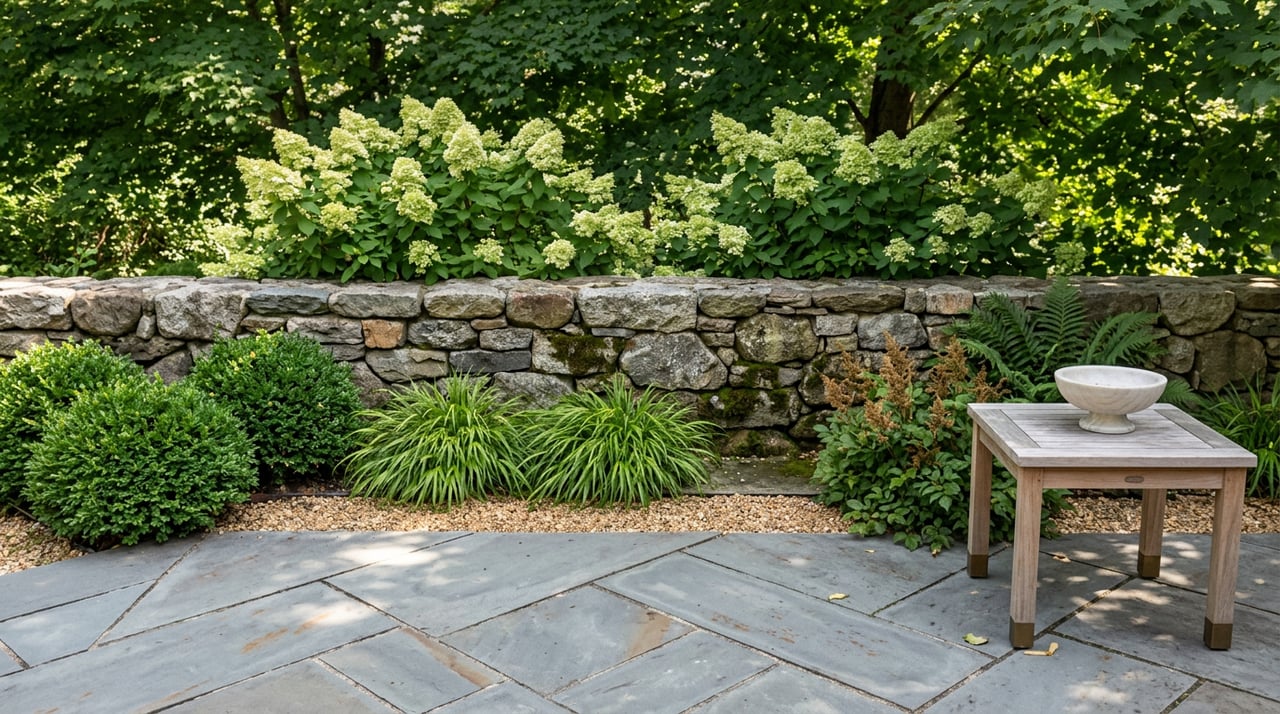
That larger context matters because land is part of Weston’s identity. The town describes a wooded landscape shaped by narrow, winding roads, stone walls, and mature trees that buffer streets and houses. Residents also place clear value on forests, open meadows, scenic rural character, and quiet open spaces.
In practical terms, buyers are not just purchasing a house. They are often paying for a setting, a sense of separation, and a natural landscape that feels preserved. That is one reason lot size tends to carry meaningful weight in Weston home values.
Weston’s zoning rules establish substantial minimum lot sizes across its residence districts. Minimum lot areas range from 20,000 square feet to 60,000 square feet, depending on the district, with frontage minimums ranging from 150 to 250 feet.
These requirements help explain why land is such an important value driver locally. Regional research in Eastern Massachusetts found that minimum lot-size regulations can materially affect home prices, with effects that can exceed 20% in areas with strong zoning power.
At the same time, Weston’s flexible-development rules show that the town is not focused on acreage alone. Those rules allow flexibility in lot size, frontage, and setbacks when it helps preserve vegetated buffers and the town’s semi-rural character.
This is where Weston gets more nuanced. A larger parcel may sound better on paper, but gross acreage is only part of the story.
In Weston, every property relies on a private septic system. Work near wetlands and floodplains requires review, tree removal in wetland buffer zones needs approval, and larger land disturbance can trigger stormwater review.
Because of that, the market is likely to reward usable, buildable land more than raw acreage alone. A property with a well-sited house, practical outdoor space, and fewer constraints may compete more strongly than a larger lot with wetlands, steep slopes, or limited buildable area.
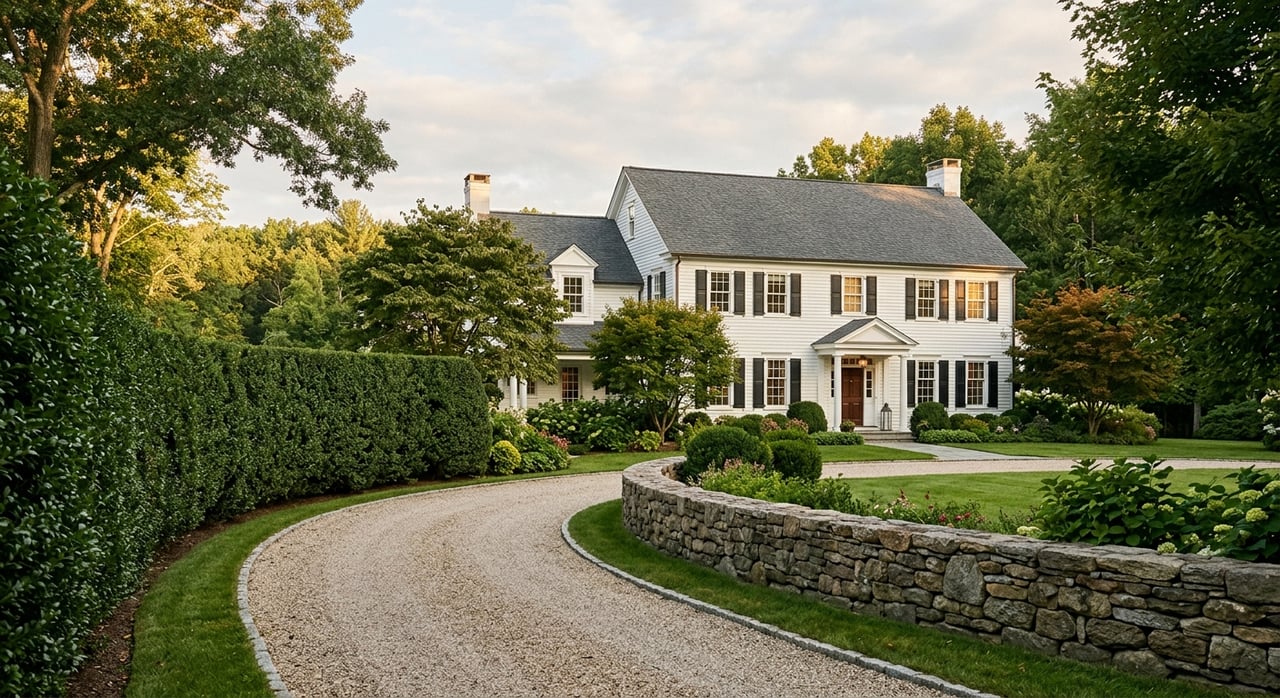
Privacy has unusual importance in Weston because it is built into the town’s landscape guidance and resident preferences. The town specifically notes that native tree and shrub buffers can screen homes from the street, that topography can increase privacy, and that driveways should minimize tree removal, pavement, and long sight lines.
That local guidance aligns with broader research on how buyers value natural screening. USDA Forest Service research summarizing prior hedonic studies found that good tree cover has been associated with higher sale prices, and that homes near forested areas often sell for more.
In a place like Weston, privacy often does not come from walls or dramatic barriers. It usually comes from mature trees, wooded edges, thoughtful siting, and a house that feels connected to the land rather than exposed on it.
For many Weston properties, the most valuable parts of the lot may be the least flashy. A line of mature trees along the road, a natural slope that screens the rear yard, or preserved land behind the home can shape how private and peaceful a property feels.
That feeling can influence value. Research cited in the report found that preserving adjacent land increased nearby home values by 20.4% to 26.2%, with the premium driven by preserved views. The same study found that preserved open space works as a complement to lot size.
Weston’s own open-space resources reinforce why that matters here. The town reports managing 1,800 acres of conservation land and about 2,000 acres of protected land open to passive recreation, and residents say they value these areas for walking, serenity, and quiet.
If you are buying in Weston, it helps to move past the simple question of how many acres a property has. A more useful approach is to look at how the land actually functions.
Ask questions like these:
A smaller parcel with better siting, stronger natural screening, and more usable outdoor space may deliver more day-to-day enjoyment and stronger long-term market appeal than a larger lot with heavy constraints.
If you own a home in Weston, value-supportive improvements are often the ones that respect the landscape rather than overpower it. Preserving mature trees, strengthening native screening where privacy is limited, and keeping the approach to the home natural and understated can all support the way buyers perceive the property.
This does not mean every yard should look untouched. It means the best improvements usually work with Weston’s established character, where the house feels well placed within the land and the land still feels like part of the home’s appeal.
For many sellers, the strongest strategy includes:
Weston subjects many exterior changes to local review. Depending on the project, that may include certain fences, pools, detached garages, sports courts, generators, septic work, stormwater-related land disturbance, work on Scenic Roads, or projects on lots where the home occupies a large share of the parcel.
That means pre-sale planning can be especially important. If you are considering improvements before listing, the goal is not just to spend money. The goal is to choose updates that enhance privacy, presentation, and usability while fitting local expectations and review requirements.
This is where experienced local guidance can make a real difference. A thoughtful plan can help you avoid over-improving the wrong feature while identifying the site details buyers in Weston tend to notice right away.
In Weston, lot size and privacy are not separate value drivers. They usually work together.
A large lot can create privacy, but only if the house placement, buffers, topography, and surrounding land support that feeling. Likewise, a modestly sized lot can still command strong interest if it feels sheltered, quiet, and visually protected.
That is why the premium in Weston often comes from a combination of acreage, usability, natural screening, and preserved surroundings rather than from acreage alone. For buyers, that means looking deeper than the listing sheet. For sellers, it means presenting the land as carefully as the house itself.
If you are thinking about buying or selling in Weston, a property’s lot value is rarely just about size. It is about how well the land delivers privacy, function, and lasting appeal in a market that clearly values all three. For tailored guidance on how your property or search fits the Weston market, connect with Jamie Grossman.
Stay up to date on the latest real estate trends.