Buying A Luxury Home In Newton: What To Expect
July 9, 2026
July 9, 2026
Wondering what it really takes to buy a luxury home in Newton? You are not alone. In a market where standout properties can move quickly and each village has its own feel, buying at the high end takes more than just a strong budget. This guide will help you understand the market, the homes, the process, and the details that matter most so you can move forward with clarity and confidence. Let’s dive in.
Newton sits about seven miles west of downtown Boston and is made up of thirteen distinct villages. That matters because luxury buying in Newton is rarely a one-size-fits-all search. Price point, lot size, architecture, and even buyer demand can shift meaningfully from one village to another.
Current market data shows a high-value environment. Zillow reports an average home value of $1,558,397, a median sale price of $1,508,333, and a median list price of $1,837,150, while Realtor.com reports a median listing price of $1.9 million. In practical terms, many buyers looking for luxury homes in Newton are often searching well above the citywide median.
Luxury also does not follow one strict price cutoff here. Current Newton luxury listings include homes from about $2.499 million in 02465 up to $12.5 million, with other examples around $4.95 million, $5.495 million, and $10 million. That range tells you something important: in Newton, luxury is shaped by location, scale, condition, and land value as much as by the asking price itself.
Newton’s village structure is one of the first things you should understand as a buyer. Many buyers narrow their search based on micro-location, commute convenience, and streetscape rather than only by square footage or bedroom count.
Village-level pricing differences also help explain where luxury inventory tends to cluster. Current Zillow data shows median home values above $2 million in Waban and Newton Centre, with Newton Highlands just under $1.91 million. If you are comparing homes across villages, those differences can affect both your options and your expectations.
Luxury inventory in Newton is varied. You are not only looking at large single-family homes. Current high-end listings also include new construction, condos, land, and some multi-family properties, which shows that luxury status here is often tied to price, size, and location rather than a single property type.
In terms of size, many current listings fall between roughly 3,800 and 11,700 square feet. It is common to see 5 to 8 bedrooms and 5 or more bathrooms, along with larger lots that can range from under an acre to as much as 3.25 acres.
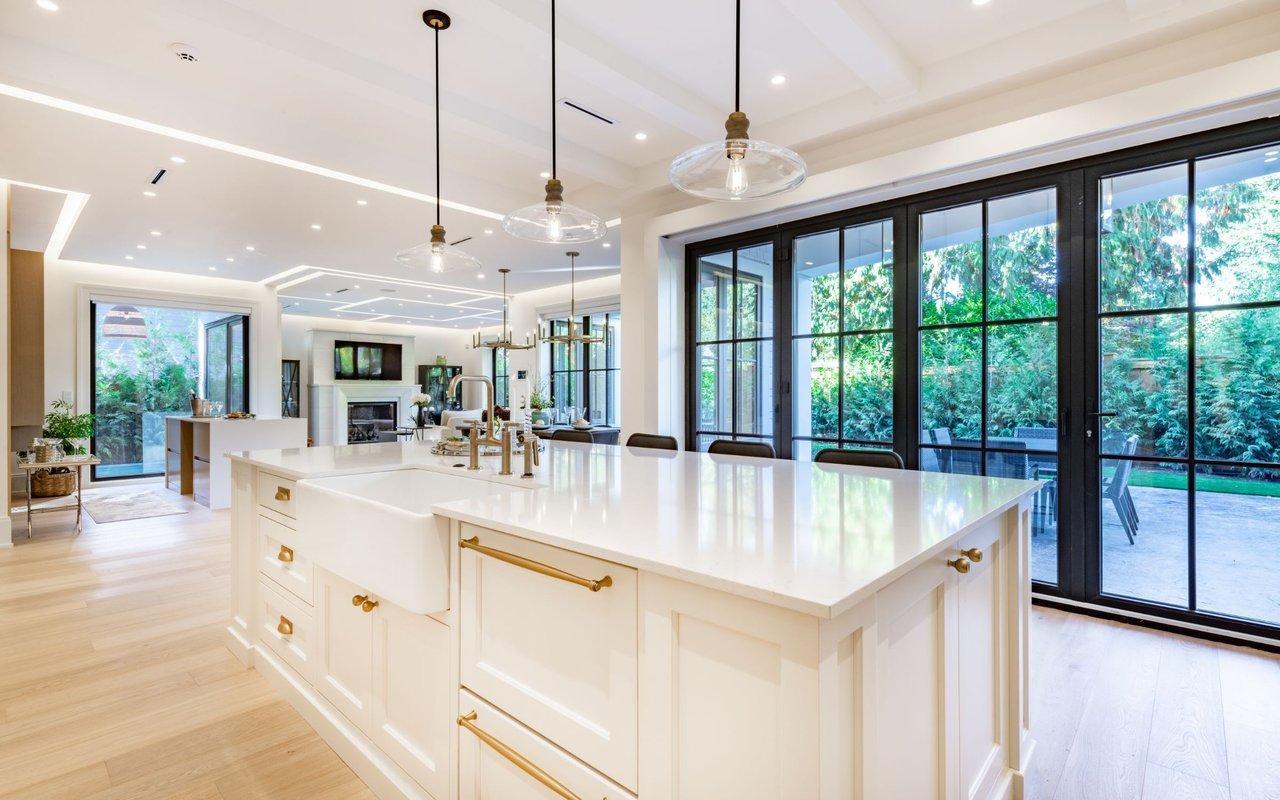
Features at this level often include private yards, covered decks, patios, indoor pools, or room for a future pool. Some buyers prioritize turnkey finishes, while others focus on lot quality, expansion potential, or long-term renovation upside. In Newton, both approaches can make sense depending on the property and the village.
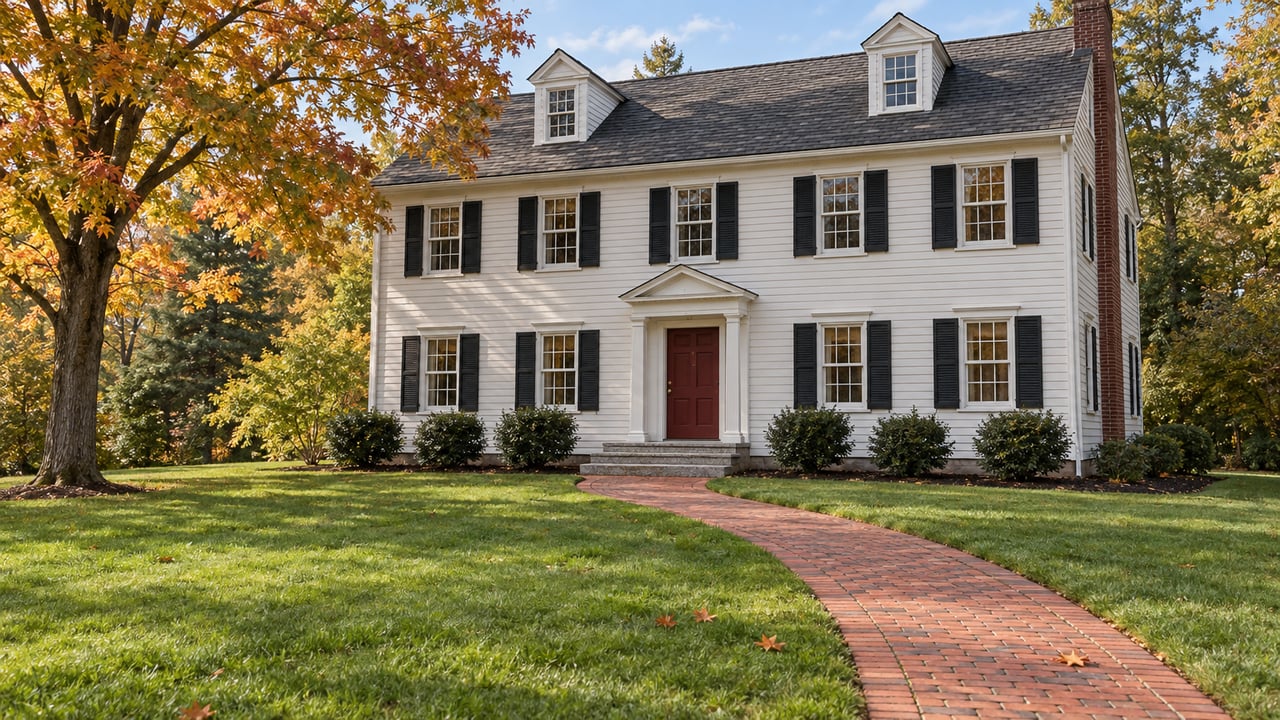
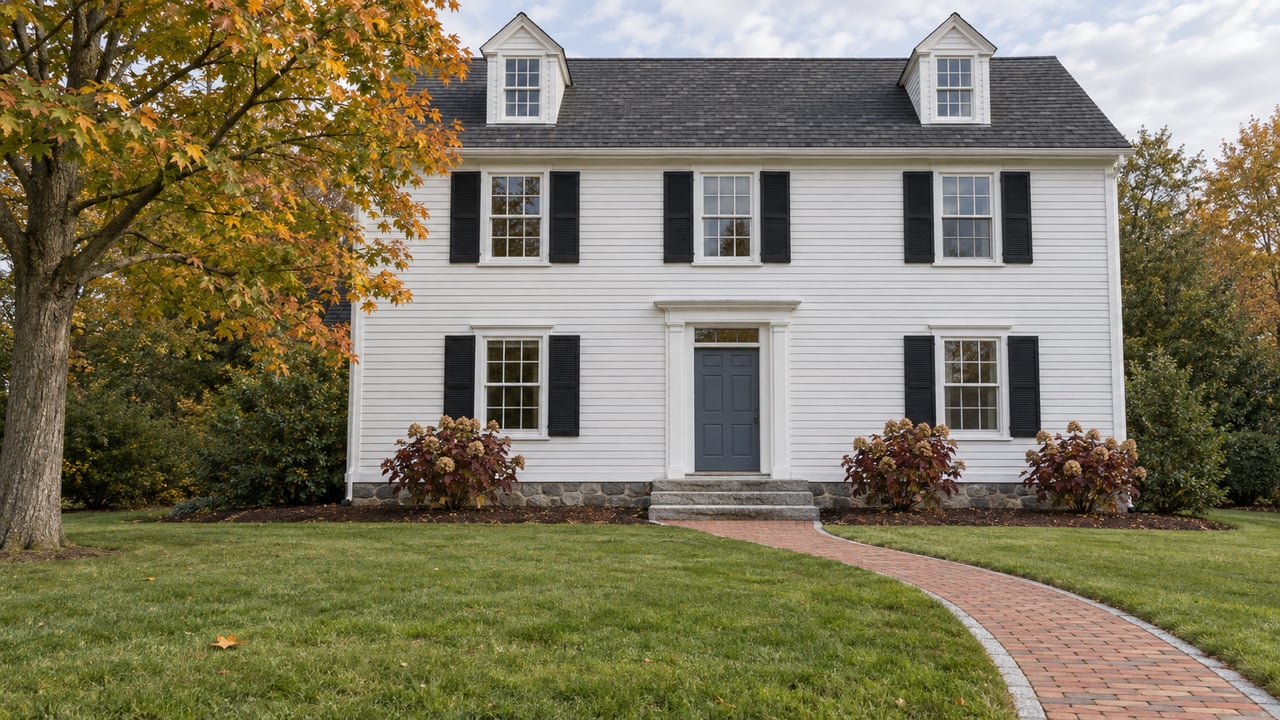
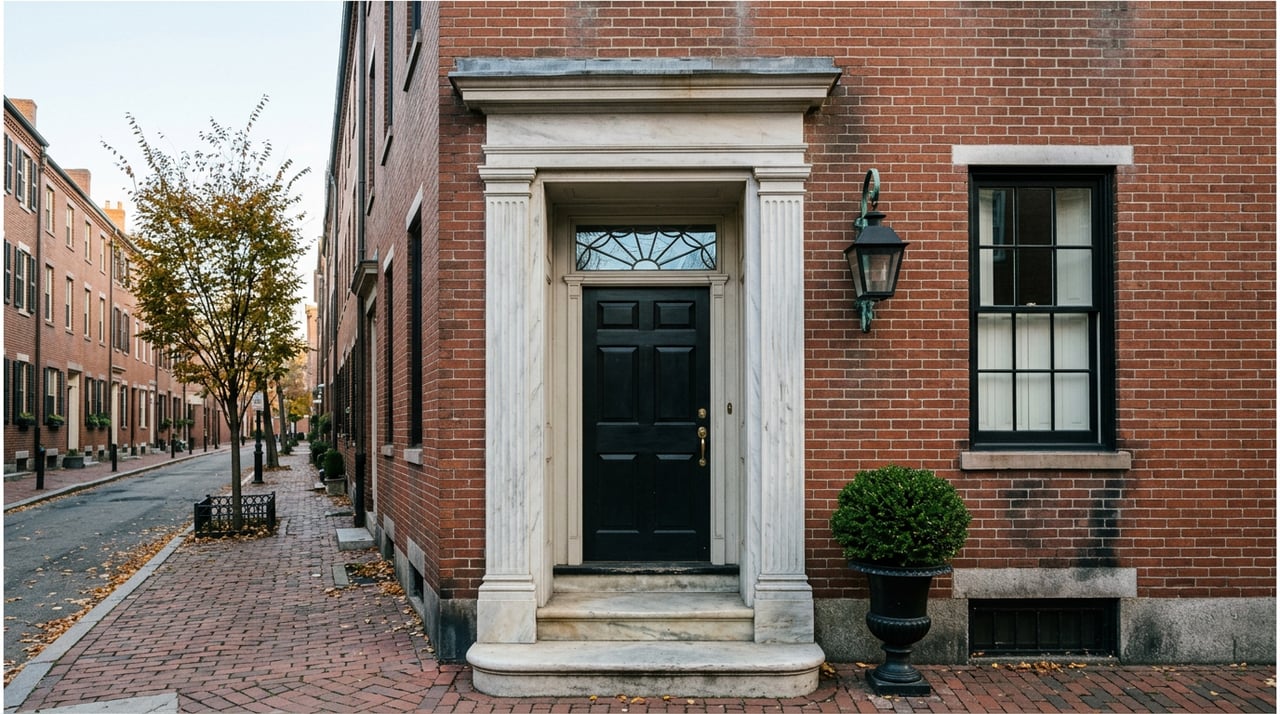
One of Newton’s appeals is variety. You may tour polished new construction one day and an older, established home with renovation potential the next.
That mix can be exciting, but it also means your due diligence matters. A newer home may offer convenience and modern systems, while an older home may offer scale, setting, and character that are hard to replicate. The right choice often comes down to how much work you want to take on and how important customization is to you.
Newton’s overall market can move quickly, especially for well-priced homes. Zillow reports a median days to pending of 9, while Realtor.com reports a median 24 days on market. The numbers differ by source, but both suggest that attractive homes can draw fast attention.
At the same time, the luxury segment is not uniform. Current high-end examples show some listings moving in 11 days, while others have stayed on the market for 70, 100, or even 479 days. That tells you pricing, presentation, and condition still matter a great deal, even at the top end.
You should be ready to act quickly when a home checks the right boxes. That does not mean rushing blindly. It means having your search criteria, financial plan, and decision-making process organized before the right property appears.
It also means staying flexible. Some homes will be highly competitive, while others may offer room for negotiation if they have lingered due to price, layout, or needed updates.
A strong offer is about balance. In Newton’s luxury market, you may need to move decisively, but you also want to protect yourself in smart ways.
Massachusetts treats the home inspection as an important buyer right. Before or at the first purchase contract, the seller or agent must provide a written disclosure affirming your right to a home inspection. If you want your purchase to be contingent on inspection findings, you should have an inspection clause in place.
The key is to decide intentionally how much leverage you want to preserve. In a competitive setting, buyers often weigh speed and appeal against risk management. The right approach depends on the home, the level of competition, and your comfort with future repair or renovation work.
A standard home inspection is important, but Massachusetts notes that it is visual and inherently limited. For luxury homes, especially larger or older properties, that means you may want a broader due diligence plan.
The state recommends buyers consider additional inspections or tests beyond the standard home inspection. These may include:
For many luxury buyers, this deeper review is simply part of protecting a significant investment. Larger homes often have more systems, more surfaces, and more complexity, so careful evaluation upfront can save time and stress later.
If you are buying a home built before 1978, lead paint is an important issue to understand. Massachusetts says buyers of pre-1978 homes must receive property transfer lead paint notification.
The state also notes that if children under 6 live in such a home, lead hazards must be removed or covered. If you are considering an older Newton property, it is wise to factor this into both your timeline and your post-closing budget.
Flood risk is another detail worth checking early, especially before you get too far into financing. Newton states that flood insurance is often required for mortgages on properties in flood zones, and standard homeowner’s insurance does not cover flood damage.
The city also updated its flood guidance after FEMA adopted new flood insurance rate maps on July 8, 2025, with some properties moving into or out of mapped flood zones. If a home you are considering is in a flood zone, that can affect insurance costs, renovation plans, and lender requirements.
If you plan to remodel, floodplain rules can matter. Newton notes that projects in FEMA flood zones and certain substantial remodels must comply with floodplain requirements, including elevation rules.
This is especially important if you are buying for long-term customization. A beautiful lot or older home may still be the right fit, but you will want a clear picture of what is feasible before making plans.
In Newton, renovation potential can be a major part of a luxury home’s value. But if you are buying with plans to expand, rework, or rebuild, local review can shape your timeline.
Newton states that a Special Permit is required for projects needing zoning relief, and average petition review takes about 3 to 4 months. More complex projects can take six months or more. That is useful to know if you are hoping to close and begin work quickly.
Exterior changes may also trigger review in certain cases. Any exterior change in a local historic district needs an application, and the Newton Historical Commission manages demolition delay. Outside historic districts, additions can still trigger review if they qualify as partial demolition.
Newton also requires demolition review before demolition of any building, garage, or shed that is 50 years old or older. If you are buying an older property for renovation or redevelopment, this is one of the first items to investigate.
At the luxury level, buyers often look beyond the house as it sits today. You may be evaluating how the property lives now, what it could become, and how long that transformation might take.
That is where local knowledge and renovation experience become especially valuable. Understanding permit timing, review thresholds, and practical project scope can help you avoid expensive surprises and make better decisions from the start.
Purchase price is only one part of the equation. In Newton, property taxes can be a meaningful annual cost, particularly in the luxury segment.
Newton’s FY2026 residential tax rate is $9.69 per $1,000 of assessed value. That works out to about $19,380 per year on a $2 million assessment and about $29,070 per year on a $3 million assessment, before exemptions or any special assessments.
When you compare homes, it helps to think beyond the monthly payment. Taxes, insurance, maintenance, and future improvements all shape the true cost of ownership.
If you are planning to buy a luxury home in Newton, a little preparation goes a long way. The process tends to feel smoother when you know your priorities and have the right support in place.
A smart starting checklist includes:
Luxury buying is rarely just about finding a beautiful house. It is about matching the right property to your lifestyle, timeline, and long-term goals.
If you are considering a move in Newton, working with a seasoned local advisor can make the process far more efficient. With over 30 years of Metro West and Greater Boston experience, a high-touch approach, and hands-on renovation insight, Jamie Grossman can help you evaluate opportunities, navigate tradeoffs, and move forward with confidence.
Stay up to date on the latest real estate trends.