Buying A Home On More Land In Sudbury
May 14, 2026
May 14, 2026
If you are dreaming about more space in Sudbury, you are not alone. In a town known for single-family homes, open land, and a more rural feel, buying a home with more acreage can look like the perfect next move. The key is knowing that in Sudbury, more land does not always mean more usable land, and that is where smart due diligence can protect both your lifestyle and your investment. Let’s dive in.
Sudbury’s housing pattern already leans heavily toward larger single-family properties. According to the town’s 2025 Housing Production Plan, about 80% of homes are in single-family structures, and roughly 92% of the town is zoned single-family residential.
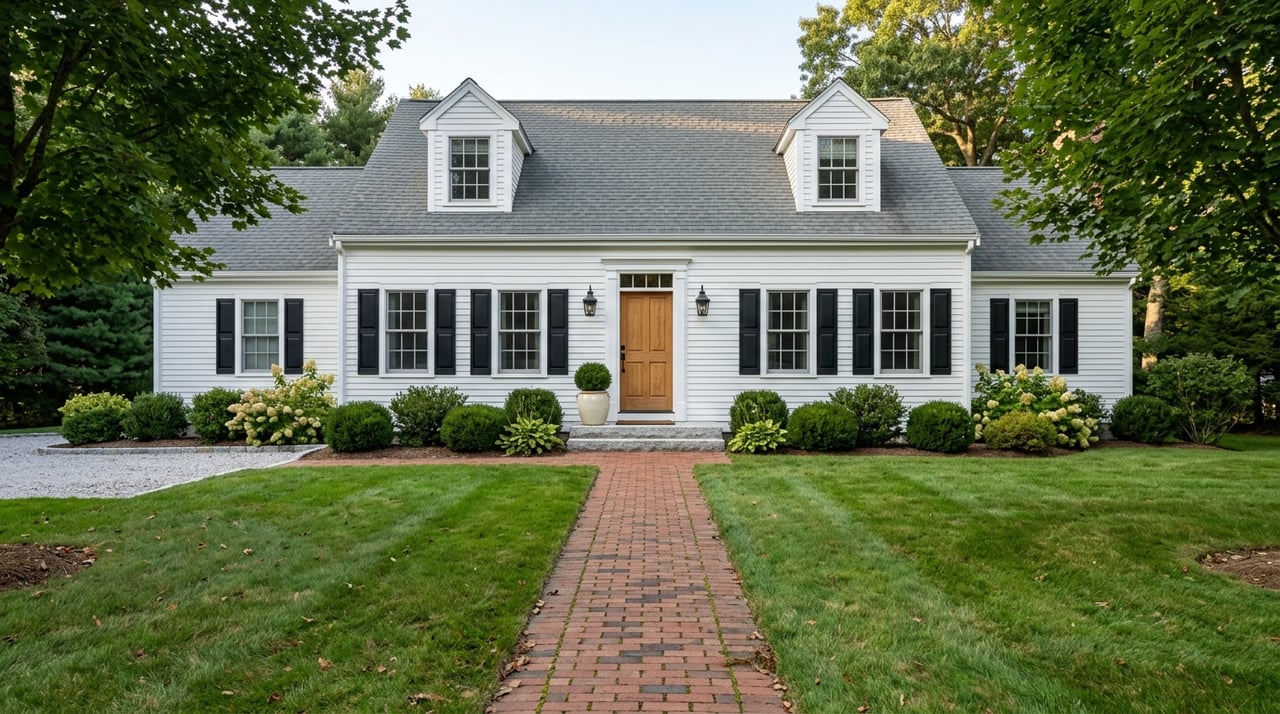
That context matters when you start shopping for more land. In Sudbury, a bigger lot is usually less about future density and more about privacy, outdoor living, and long-term flexibility. Buyers are often looking for room to spread out, enjoy open space, and create a property that fits how they want to live.
The market also reflects that demand. The same town plan reports that the median single-family sale price climbed from $750,000 in 2019 to nearly $1.2 million in 2022 and stayed above $1 million in 2023. That tells you larger-lot buying in Sudbury happens in a high-value market where land quality deserves close attention.
A property can have impressive acreage on paper and still offer less usable space than you expect. In Sudbury, the better question is not just How many acres? but How much of that land can you actually enjoy, improve, or maintain?
That can affect everything from adding a patio to planning a garden, installing a pool, or simply having a wide backyard with privacy from neighbors. If part of the lot is limited by wetlands, floodplain, frontage issues, or other constraints, the practical use of the property may be very different from the listing photos.
Massachusetts assessor guidance also makes an important distinction between readily developable land and excess or constrained land. Factors like shape, topography, wetlands, and frontage can all affect how land is viewed and valued. In simple terms, raw acreage and useful acreage are not always the same thing.
Before you fall in love with a larger parcel, it helps to understand how Sudbury zoning frames the lot.
Sudbury’s 2025 Housing Production Plan says Zone A requires at least 40,000 square feet and 180 linear feet of frontage. Zone C requires at least 60,000 square feet and 210 feet of frontage.
That means frontage is just as important as lot size. A parcel may feel large, but if it does not meet frontage expectations or has an unusual shape, that can affect what the lot means from a practical standpoint.
In the Wayside Inn Historic Preservation Zone, the minimum lot size is 5 acres with 210 feet of frontage. If you are looking in that area, the standards are different from other residential parts of town.
This is one reason broad assumptions can get buyers into trouble. Two homes with similar acreage may not offer the same flexibility if they sit in different zoning areas.
Sudbury also allows cluster development on tracts over 10 acres to help preserve open space. The town plan notes that this option does not increase density or allow multifamily units.
Flexible development can vary lot sizes because of natural features, but qualifying parcels must still be at least 10 acres. For most buyers purchasing an existing home on a larger lot, this is another reminder that the town’s framework is focused on preserving land patterns, not maximizing redevelopment potential.
When buyers consider a larger Sudbury property, the most important concept is often the buildable envelope. This is the portion of the lot where improvements and outdoor features may realistically fit, subject to zoning and site conditions.
You may have a beautiful 2-acre or 3-acre parcel, but if much of it is affected by wetlands or setbacks, the space you can actively use may be much smaller. That can influence your plans for additions, detached structures, expanded lawn area, or future upgrades.
This is where thoughtful buyer representation matters. Looking at acreage alone is not enough. You want to understand how the land functions, not just how it is described.
One of the most important Sudbury-specific issues is septic. The town has no centralized sewer for single-family homes, so single-family residential properties rely on on-site septic systems.
That makes septic due diligence especially important when you are buying more land. The age of the system, its maintenance history, site conditions, and replacement risk can all affect your future costs and your plans for the property.
Sudbury’s septic guidance says failing systems can cost roughly $3,000 to $7,000 to repair or replace. Routine maintenance is typically about $250 to $500 every 3 to 5 years, and systems should generally be inspected about every 3 years and pumped every 3 to 5 years.
The town’s Housing Production Plan also reports that about 35% of Sudbury has soils unsuitable for septic, including wetlands and floodplains. That is a meaningful number. It reinforces why a large lot still needs careful site-level review.
Sudbury’s conservation rules have a real impact on larger parcels. The Conservation Commission says the town is nearly one-third wetlands, which is a major reason buyers need to look beyond the simple lot size.
The commission oversees work within 100 feet of wetlands and 200 feet of perennial streams. Its homeowner guidance says permits are required before building, grading, excavating, reconstructing lawns, or installing a septic system in those areas.
There are also overlay districts to understand. The 2025 Housing Production Plan says the Water Resource Protection Overlay District limits impervious surfaces in residential developments to 15% of a building lot, and the Flood Plain Overlay District prohibits construction of structures within that overlay area.
For buyers, this can affect plans for driveways, hardscaping, outdoor amenities, or future expansion. It does not mean a property is not worth pursuing. It means the land needs to be evaluated with realistic expectations.
Many buyers are drawn to homes that back up to conservation land or sit near protected open space. In Sudbury, that can absolutely be part of a property’s appeal.
At the same time, it is important to understand the difference between conservation land, wetlands, and conservation restrictions. Sudbury notes that conservation restrictions are permanent title restrictions that can limit building, road construction, tree cutting, and excavation, while passive recreation is generally allowed.
The town also says it holds many conservation restrictions on private land, and that many larger conservation parcels are open to the public for passive recreation. So if a home abuts protected land, you may gain scenic views and a sense of openness, but you may also have nearby trail use or public activity. Privacy can be excellent, but it may look different from what you first imagine.
If you are serious about buying a home on more land in Sudbury, these are smart questions to answer early in the search:
These questions can help you compare properties more clearly. They can also save you from paying a premium for land that does not support the lifestyle you want.
Buying a larger-lot home in Sudbury is often as much about land analysis as it is about the house itself. You want to look at the home, of course, but you also want to understand the lot lines, constraints, outdoor potential, and long-term upkeep.
This is especially true if you are relocating from a denser market where lot size works differently. In Sudbury, land is a major part of the value story, and careful evaluation can make the difference between a property that only looks spacious and one that truly lives well.
With the right guidance, you can narrow in on properties that align with your goals, whether that means room for entertaining, gardening, recreation, future improvements, or simply a greater sense of space and separation. A thoughtful process helps you buy not just more land, but the right land.
If you are considering a move to Sudbury and want a clear, experienced perspective on how to evaluate larger lots, Jamie Grossman can help you assess both the home and the land with the care a purchase like this deserves.
Stay up to date on the latest real estate trends.