Boston Condos for Downsizers: Key Details to Review
May 7, 2026
May 7, 2026
Are you trading a larger suburban home for a simpler city lifestyle? If Boston condo living is on your radar, it is worth knowing that the move is not just about square footage. You are also choosing a building, a budget structure, and a set of shared rules that can shape your day-to-day experience. With the right planning, a Boston condo can offer convenience, walkability, and a more streamlined way to live. Let’s dive in.
For many suburban downsizers, the first surprise is that buying a condo in Boston is not quite like buying a single-family home in Metro West. You are purchasing your unit, but you are also stepping into a shared ownership structure governed by a master deed, bylaws, and association rules. Under Massachusetts condo law, that association can enforce rules, fine violations, and assess common expenses.
That matters because your fit is not only about the unit itself. It is also about how the building is run, how costs are shared, and whether the rules match your lifestyle. A beautiful condo can still be the wrong choice if the building logistics are not a match for how you live.
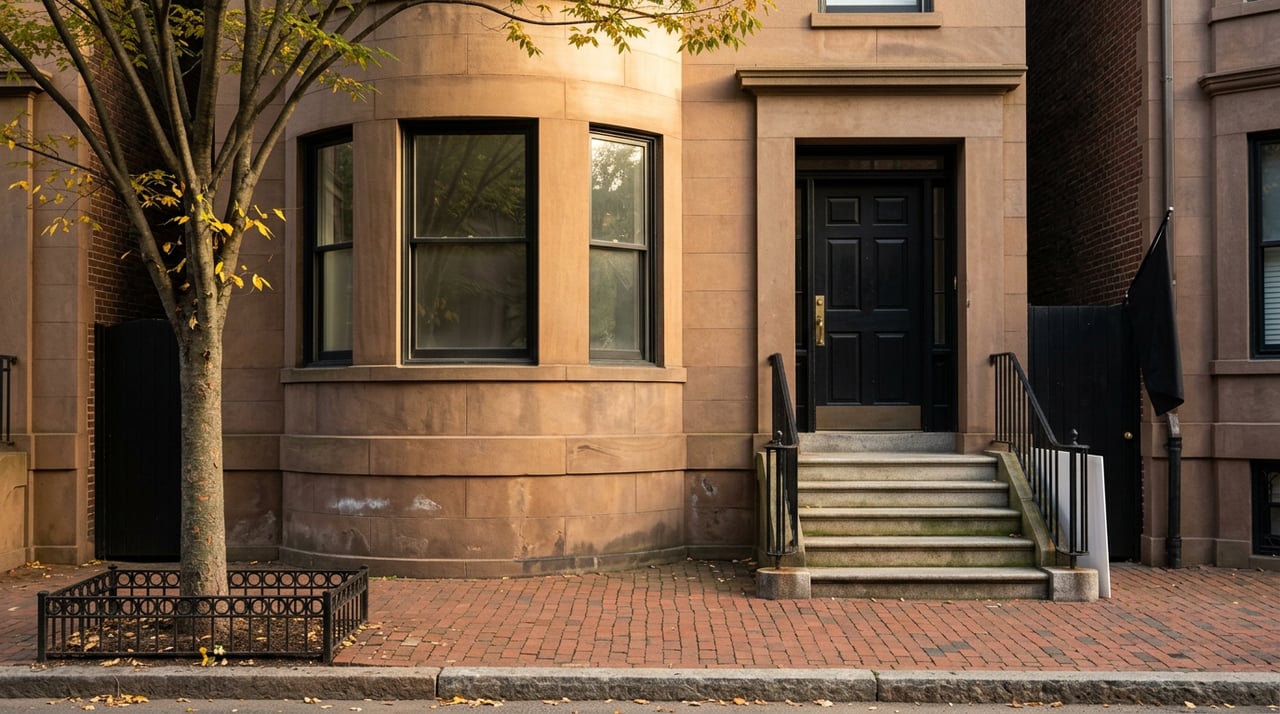
Boston also has a notably older housing stock. According to the Boston Planning & Development Agency, 50% of the city’s total housing stock was built before 1940, and 60% of owner-occupied units were built before 1940. That age and character can be a major draw, but it also means you should pay close attention to building layout, access, storage, and infrastructure.
One of the biggest downsizing mistakes is focusing too much on the purchase price and not enough on the full monthly carrying cost. In Boston, that total is often made up of your mortgage, property taxes, condo fees, insurance, utilities not covered by the association, and any parking or storage-related expenses. The number that matters most is the one you will live with each month.
Condo or HOA dues are usually paid directly to the association and are usually not included in your mortgage payment. Monthly dues can range from a few hundred dollars to more than $1,000 a month. In Massachusetts, common expenses are generally allocated by percentage interest, though the master deed may also account for square footage, location, amenities, and limited common areas.
That means two units in the same building can carry different monthly fees. It also means a lower condo fee is not always the better deal. Massachusetts law requires an adequate replacement reserve fund that is kept separate from operating funds, and associations may also assess special assessments, late charges, fines, and collection costs that can become a lien against a unit.
A well-run building with healthy reserves may have a higher monthly fee but fewer unpleasant surprises. For a downsizer who values predictability, that can be well worth it.
Boston’s FY2026 residential property tax rate is $12.40 per $1,000 of value, and taxes are billed quarterly. The city notes that the first two quarterly bills are estimates based on the prior year, while the third-quarter bill reflects the actual rate and value.
Using the recent median Boston condo list price of $850,000 as a rough illustration, annual residential property tax would be about $10,540 before exemptions. If you qualify for Boston’s FY2026 residential exemption, the maximum savings is $4,353.74, which could reduce that annual tax burden to about $6,186.
For many downsizers, that exemption can significantly change the true monthly cost of ownership. It applies only to an owner-occupied primary residence, so it is an important detail to confirm early in your planning.
When you are coming from a suburban house, it is easy to focus on finishes and views first. In Boston condos, the features that most affect your comfort are often the practical ones.
Because so much of Boston’s housing stock is older, you should never assume a building offers easy access. Elevator service, step-free entry, wide hallways, and adaptable bathrooms are not universal features. Even in attractive buildings, everyday movement can feel very different from what you are used to in a newer suburban home.
As you tour condos, keep a practical checklist in mind:
These questions may not be glamorous, but they often matter more over time than a designer kitchen backsplash or a dramatic lobby.
Storage is one of the most common adjustment points for downsizers moving into the city. In a suburban home, you may be used to a basement, attic, garage, and large closets. In Boston, storage can be much more limited, and when a storage locker does exist, you need to understand exactly how it is assigned and maintained.
Under Massachusetts law, limited common areas may carry separate maintenance or repair obligations for the unit that uses them. That can apply to storage lockers, patios, and parking spaces. Before you buy, make sure you know whether the storage is deeded, exclusive-use, or subject to separate rules and costs.
Parking can be a major lifestyle issue for suburban downsizers, especially if you plan to keep one or two cars. Boston resident parking permits are tied to a specific vehicle and neighborhood, require proof that the car is registered and principally garaged at the Boston address, and the city says there is no charge for the permit. The city also states that it does not offer visitor parking permits.
That makes private parking details especially important. You will want to confirm whether a parking space is deeded, assigned, rented, shared, or waitlisted. It is also smart to ask what guest parking really looks like and whether keeping a second car is practical in that specific building and neighborhood.
If a pet is part of your household, never assume the building will allow the arrangement you want. Massachusetts condo law gives associations the power to enforce bylaws, administrative rules, restrictions, and regulations, including fines for violations. In practice, pet policy is building-specific.
Before writing an offer, review the master deed, bylaws, and rules carefully. This is one of those details that can quickly turn an otherwise appealing condo into a poor fit.
If you are planning ahead for an electric vehicle, this should be part of your condo search conversation. Massachusetts law states that a condo association may not prohibit or unreasonably restrict the installation of electric vehicle supply equipment in an area subject to the owner’s separate interest or exclusive use, though reasonable restrictions are allowed.
That does not mean every building is equally ready for charging. It does mean the conversation is worth having early, especially if parking is part of your long-term plan.
A condo purchase should include a level of document review that many downsizers do not expect at first. The goal is not to create anxiety. It is to replace uncertainty with clarity.
Start by asking for key records. Massachusetts law requires associations to keep records and make them available for reasonable inspection by owners and certain mortgagees.
Ask for:
These documents can tell you a great deal about how the building operates. They can also reveal whether a low monthly fee is supported by strong planning or simply masking future expenses.
One of the smartest questions a downsizer can ask is whether the building has any pending or likely special assessment. Even if there is nothing formally approved, you should ask whether the board expects major roof, elevator, façade, plumbing, or garage work in the near future.
This is especially important in Boston, where older buildings can be charming but maintenance-heavy. A thoughtful review now can help you avoid an expensive surprise later.
Never assume two condo fees mean the same thing. Ask exactly what the monthly fee includes.
Items to clarify may include:
A higher monthly fee may still represent better value if it includes services or utilities you would otherwise pay separately.
Lifestyle details often matter just as much as budget details. Ask about owner-occupancy rates, rental caps, move-in fees, smoking rules, guest policies, and whether the bylaws allow accessibility modifications.
These are not minor items. They shape how easy the building will be to live in, host family in, and adapt over time.
Downsizing into Boston is rarely just a real estate transaction. It is often part of a larger life transition that includes selling a longtime home, sorting belongings, coordinating timing, and choosing a property that works both now and later. The right condo can simplify your life. The wrong one can introduce stress you were trying to leave behind.
That is why experienced guidance matters. A careful advisor can help you compare not just locations and finishes, but building quality, document risk, monthly carrying costs, and practical fit. For suburban homeowners making a thoughtful move into the city, that level of detail can make all the difference.
If you are weighing a move from the suburbs to a Boston condo, Jamie Grossman can help you evaluate the options with a steady, practical lens and the kind of local perspective that makes complex transitions feel manageable.
Stay up to date on the latest real estate trends.