Is it time to trade yard work for walkability, a secure building, and a simpler lifestyle? If you are moving from a single‑family home in Wellesley, Newton, or Weston, a condo in Brookline or central Boston can offer the convenience you want, but the details matter. You will balance amenities, accessibility, parking, and association rules and fees that feel new compared with owning a house.
This guide breaks down the building types you will see, the true monthly costs, the documents to review, parking and access realities, and a step‑by‑step downsizing plan. You will also find neighborhood snapshots that fit common suburban preferences and a printable checklist you can use on your first showings. Let’s dive in.
What changes when you go condo
Building types you will see
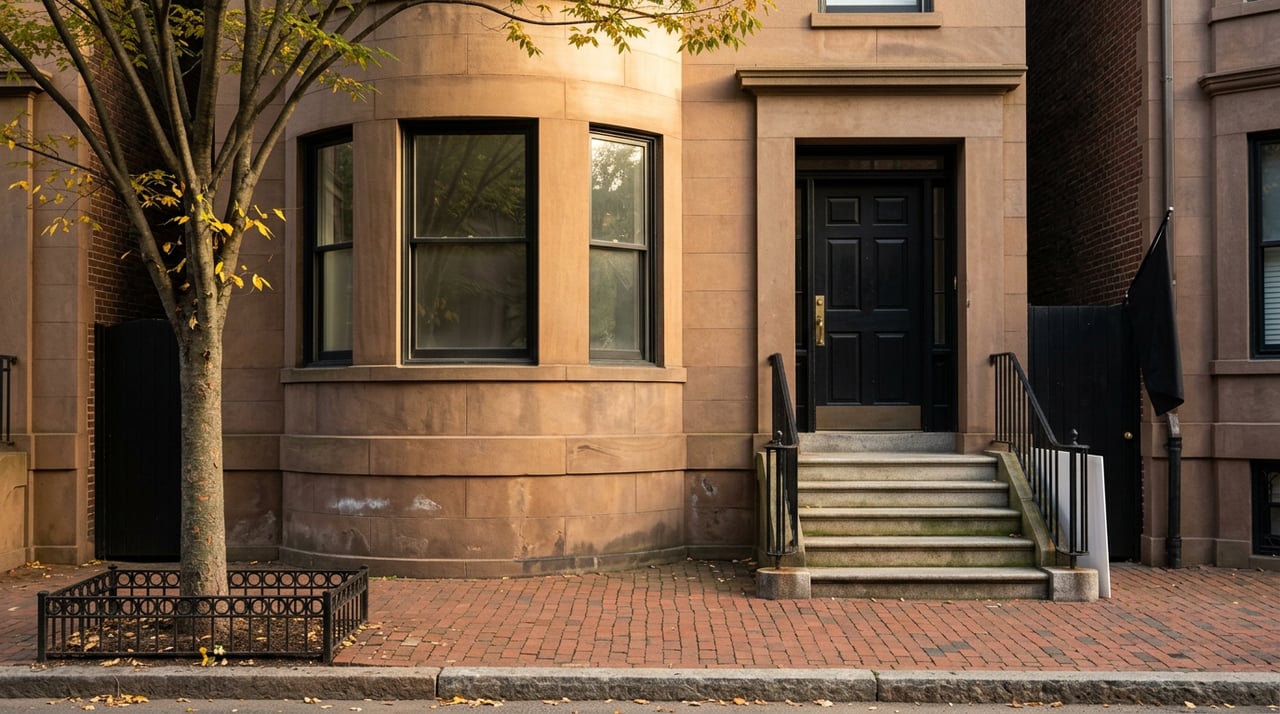
- Brownstones and historic townhouse conversions. You will see these in Back Bay, Beacon Hill, and parts of Brookline. They offer character and classic architecture, but many lack elevators and have smaller storage options. Expect stairs and varied maintenance needs in older structures. For a quick look at how historic buildings shape city living and pricing context, see this Boston market overview from a local news source (boston.com).
- Low‑ to mid‑rise elevator buildings and garden‑style condos. Common in Coolidge Corner, Brookline Village, the South End, and Fenway. Many were built from the 1920s to 1980s, often include elevators, and sometimes a doorman. Amenities and dues vary, and locations tend to be near village centers and MBTA stops.
- Newer high‑rise or luxury towers. You will find these in the Seaport, parts of Back Bay, and select South End buildings. Full‑service staffing, garage parking, and fitness centers provide one‑stop living, but both purchase prices and monthly association fees run higher.
- Smaller conversions and 3‑ to 6‑unit buildings. These can offer value, but watch for deferred maintenance, limited reserves, and the potential for special assessments if big projects arise.
Amenities and what they cost
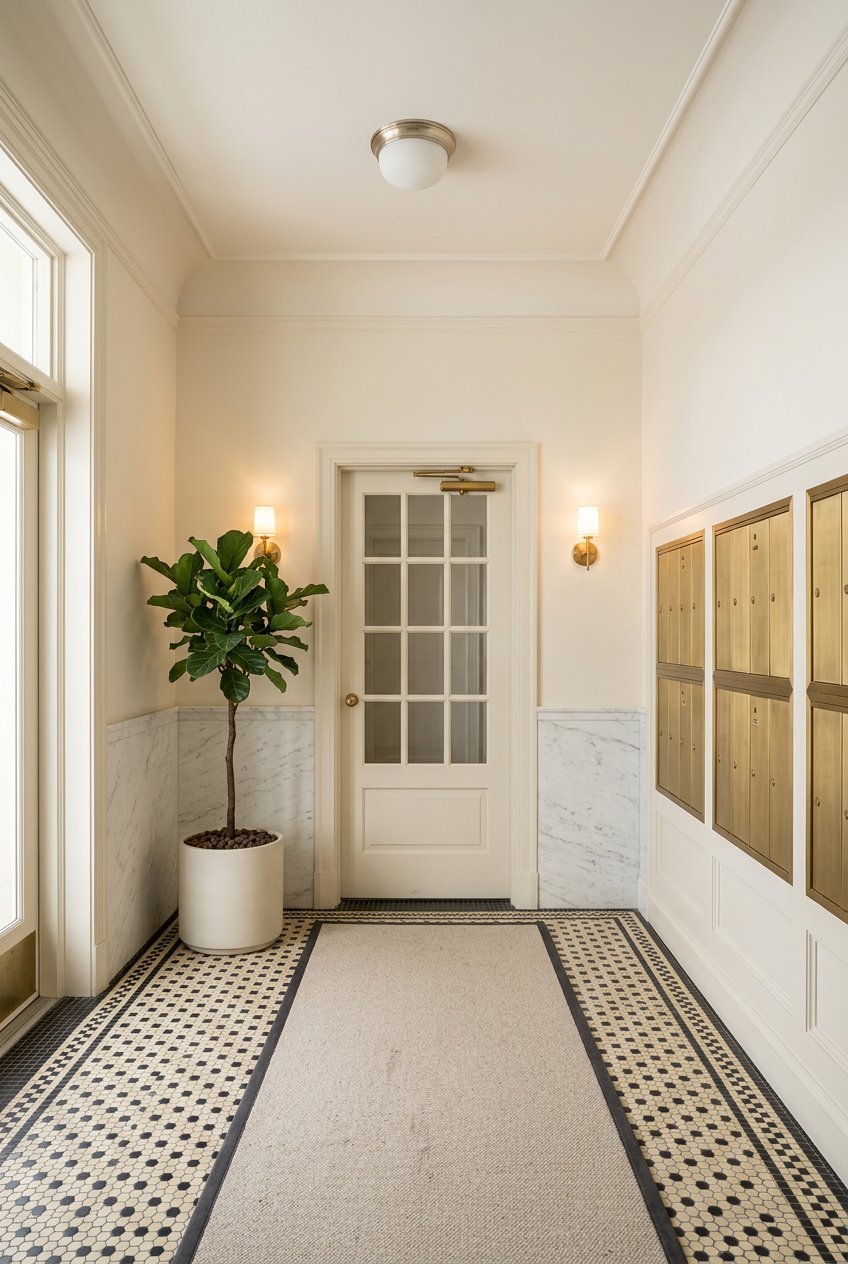
Common amenities include elevators, enclosed parking, concierge or doorman, on‑site gyms, package rooms, bike storage, shared outdoor space, and pet facilities. As a rule, the more services the association covers, the higher your monthly dues tend to be. National analysis shows HOA fees have been rising in recent years, and urban full‑service buildings in Brookline and Boston often carry significantly higher dues than suburban averages.
True monthly costs to plan for
Your monthly budget will look different than it did in a single‑family home. Plan for:
- Mortgage principal and interest.
- Property taxes.
- Association dues. These can include master building insurance, common utilities, staffing, and reserve funding for capital projects.
- HO‑6 condo insurance for your unit. The association’s master policy covers the building common areas and structure. Your HO‑6 policy covers interiors, personal property, liability, and loss‑assessment coverage. Review what the master policy covers and match your HO‑6 accordingly. For an overview of HO‑6 basics, see this consumer explainer (Insure.com).
- Parking. In Brookline and Boston, a deeded garage space may be included, sold separately, or leased off‑site. Budget for monthly garage rent if needed.
- Utilities and internet. Some buildings include heat or hot water in dues; others do not.
- Storage. If the building’s storage is limited, you may rent an off‑site unit.
Governance and rules: know Chapter 183A
In Massachusetts, condo ownership is governed by Chapter 183A of the General Laws. A building’s master deed, declaration, and bylaws set owner rights, board powers, and use rules. Before you buy, it is essential to understand what you can and cannot change, how the board operates, and what the budget and reserves look like. You can read the statute here to ground your questions in the right framework (Chapter 183A).
Documents to review before you commit
Ask for these items and read them closely:
- Current budget and most recent balance sheet.
- Reserve study or an engineer’s capital plan, if available.
- Master insurance declarations page and schedule of deductibles.
- Board meeting minutes for the last 12 to 36 months.
- Any history of special assessments or pending litigation.
- Master deed, declaration, bylaws, and rules. Confirm rental and occupancy policies.
A helpful guide to what each document reveals is available here (HOA document review checklist).
Red flags that deserve follow‑up
- Low reserves or no recent reserve study.
- Frequent or large special assessments in the minutes.
- High owner delinquency on dues.
- Ongoing litigation involving the association.
- Master insurance that excludes key perils or has high deductibles that could pass costs to owners.
Financing and project eligibility
When you buy a condo, lenders often underwrite the building as well as you. In recent years, agencies and lenders have tightened their review standards. A building with inadequate reserves, high investor ratios, or unresolved structural issues may be ineligible for some loans, which can complicate or raise the cost of financing. It is smart to ask your mortgage professional early about any project‑eligibility concerns and whether your target building appears on any watchlists. Local coverage summarizes why some Massachusetts developments have faced scrutiny (Boston Globe).
Parking, access, and daily life
Brookline parking rules
Brookline enforces daytime limits in many areas and restricts overnight on‑street parking in much of the town. If you plan to keep a car, confirm whether your building includes a space and what your guest options are. Many residents lease a garage space or secure long‑term off‑site parking. Review the town’s program details for resident daytime permits to understand rules and fees (Brookline parking program).
Boston resident permits
In Boston, resident parking permits are issued by neighborhood, but availability varies and a permit does not guarantee a space on your block. If you prefer the certainty of a garage, plan to secure a deeded spot or a monthly lease near your building. The city outlines permit requirements and neighborhoods here (Boston resident permits).
Transit and walkability
Many Brookline buyers reduce or eliminate a second car thanks to the MBTA Green Line C and D branches, with stops at Coolidge Corner, Washington Square, Brookline Village, Longwood, Brookline Hills, Beaconsfield, Reservoir, and more. Test your real trips, such as to medical appointments, grocery stores, and family visits, during the time of day you expect to travel. For station accessibility information, view this Green Line resource (MBTA accessible stations list).
Accessibility and interior changes
If one‑level living and mobility features are priorities, filter for elevator buildings and single‑level layouts, and look for accessible bathrooms. Older brownstones often require stairs and may be narrower than expected. Associations typically regulate certain interior modifications, so confirm approval processes and allowed changes in the bylaws under Chapter 183A (Mass. condo law).
Neighborhood snapshots to consider
Brookline village centers
- Coolidge Corner, Washington Square, and Brookline Village offer walkable shopping, dining, and frequent Green Line access. You will find a mix of historic conversions and mid‑rise elevator buildings, which suits many suburban owners who want leafy streets and a village feel near services.
Chestnut Hill context
- Chestnut Hill spans parts of Brookline, Newton, and a sliver of Boston. Some condo buildings here feel more suburban and quiet, near the reservoir and shopping. Because the area crosses municipal lines, confirm the exact town for tax, services, and permitting. This is a great option if you want a similar feel to Weston or Newton with less maintenance.
Back Bay and Beacon Hill
- These historic Boston neighborhoods offer cobblestone charm, cultural access, and high walkability. Prices are typically higher, unit footprints can be smaller in some historic buildings, and parking is more likely to be separate. Many downsizers choose these areas to be close to museums, dining, and the Public Garden.
South End, Fenway, and Seaport
- The South End features Victorian‑style brownstones and a strong restaurant scene. Fenway and the Seaport include newer mid‑ and high‑rise buildings with full amenities. Garage parking and concierge services are convenient but increase monthly costs, so weigh lifestyle value against budget.
Decision matrix: define needs vs nice‑to‑haves
Use this quick framework to focus your search and control costs.
| Must‑have |
Nice‑to‑have |
| Elevator or single‑level layout |
Full concierge service |
| Deeded or leased garage parking |
EV charging in the building |
| Budget that includes dues, taxes, HO‑6, parking |
On‑site gym or pool |
| Walkable access to daily needs |
Private outdoor space |
| Pet rules that fit your situation |
Extra in‑building storage |
Print this table and check boxes as you tour. If a building misses a must‑have, move on quickly.
Your 5‑step downsizing plan
1) Six to twelve months out: set priorities and budget
- List must‑haves and nice‑to‑haves. Think elevator, parking, one‑level, and pet policies.
- Run your monthly numbers with a realistic HOA estimate. Include mortgage, property tax, HOA dues, HO‑6 premium, utilities, and parking rent.
2) Three to six months out: declutter and plan space
- Measure key furniture and compare with sample floor plans. Many people scale down large pieces and buy new, right‑sized items.
- If you will rely on street parking at any point, practice winter logistics before you move so it is not a surprise.
3) Two to eight weeks before you make an offer: request documents
- Ask for the HOA budget, balance sheet, reserve study, master insurance declarations page, 12 to 36 months of board minutes, a list of special assessments, the master deed, bylaws, and rules, plus rental and occupancy policies. A seller or manager can often provide a resale packet. For what to look for in each document, see this practical reference (HOA review checklist).
4) During contract and inspection: confirm financing and insurance
- Tell your mortgage professional that you are buying a condo and ask about project eligibility early. If an issue appears, you will want options.
- Get an HO‑6 quote and confirm what the master policy covers and what the deductibles are. Consider increasing loss‑assessment coverage on your HO‑6.
- Review minutes again just before your contingency ends to catch any late updates.
5) Moving and settle‑in: logistics that smooth the first month
- If storage is tight, book a nearby unit or add in‑home solutions before move‑in.
- Secure a garage space early if it is essential. In Brookline, review permit rules as needed for daytime parking (Brookline parking program).
Typical timing: identify neighborhoods and short list properties in 2 to 8 weeks, go under contract in 2 to 4 weeks, complete HOA review and inspections in 2 to 3 weeks, and close and move in 2 to 4 weeks. Condo document review can slow the timeline, so build in time for questions and attorney review.
What the market is doing now
Greater Boston’s condo market remains high‑cost and varies by neighborhood. Regional releases show prices well above national medians and steady demand in many core areas. For current context, review recent market snapshots from the Warren Group and the Greater Boston Association of REALTORS, which summarize Massachusetts and Greater Boston price and sales trends (Warren Group release, GBAR report). Rather than assume a condo will cost less than your suburban home, compare specific buildings and amenities to your priorities and monthly budget.
Ready to map a right‑sized plan that fits your lifestyle and numbers? Work with a seasoned advisor who knows Brookline, Boston, and Metro West and can coordinate the details from financing checks to movers. Start a confidential conversation with Jamie Grossman to outline options, review buildings, and Request a Personalized Home Valuation.
FAQs
What do Brookline and Boston condo fees usually cover?
- Depending on the building, dues can include master building insurance, common area utilities, staffing, elevator and system maintenance, reserves for future projects, and sometimes heat or hot water.
How can I tell if a condo association is financially healthy?
- Review the current budget, balance sheet, reserve study, and board minutes for 12 to 36 months, and look for steady reserves, clear capital plans, and minimal special assessments, then confirm insurance coverage and deductibles.
What should I know about parking before buying a condo?
- Confirm whether the unit includes deeded parking, whether spaces are sold or leased separately, and the availability and cost of nearby garages, then review resident permit rules for Brookline or Boston.
What is HO‑6 insurance and why do I need it?
- An HO‑6 policy covers your unit’s interior, personal property, and liability, and it can include loss‑assessment coverage that helps pay your share if the association’s master policy has a shortfall or large deductible.
Can financing fall through because of the building, not me?
- Yes, lenders also review the condominium project; inadequate reserves, high investor ratios, or unresolved structural issues can make a building ineligible for some loans, so ask your lender about project eligibility early.