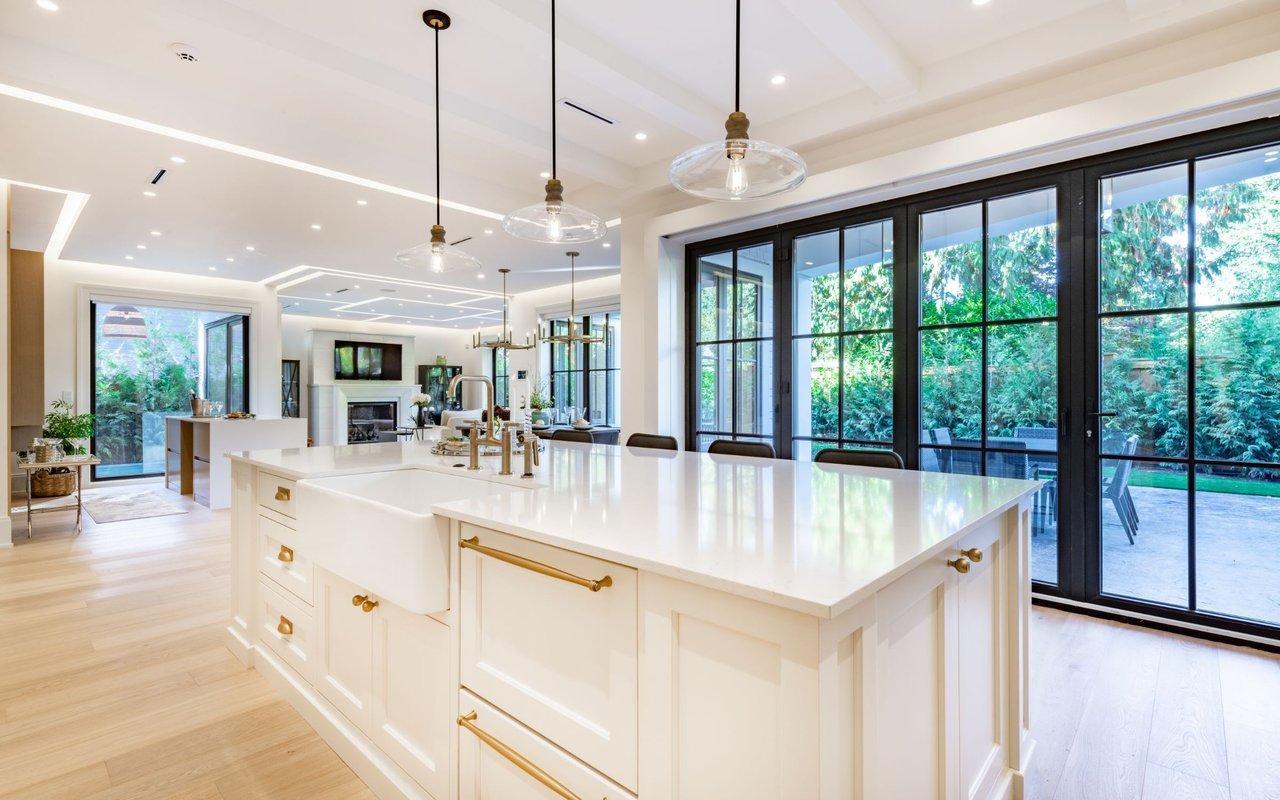
Choosing between a charming Colonial on a tree-lined street and a turnkey new build with a big island kitchen can feel like two very different paths. In Needham’s tight, high-price market, that choice also ties to budget, commute, and renovation appetite. This guide breaks down what to expect from older and newer homes, how systems and permits affect costs, and a simple framework to choose with confidence. Let’s dive in.
Needham market snapshot
Needham is a high-price, low-inventory suburban market. Depending on source and month, recent medians range from roughly the low $1.5M level into the mid $2M range, with small sample sizes and luxury listings creating swings. One national data provider also reports an average house age around 61 years, which explains the prevalence of classic Colonials and Capes in town. You should expect variability by month and neighborhood, so pair any online figure with on-the-ground comps. See the Needham profile from a national data provider for context on age and pricing ranges (ATTOM).
Older homes: what to expect
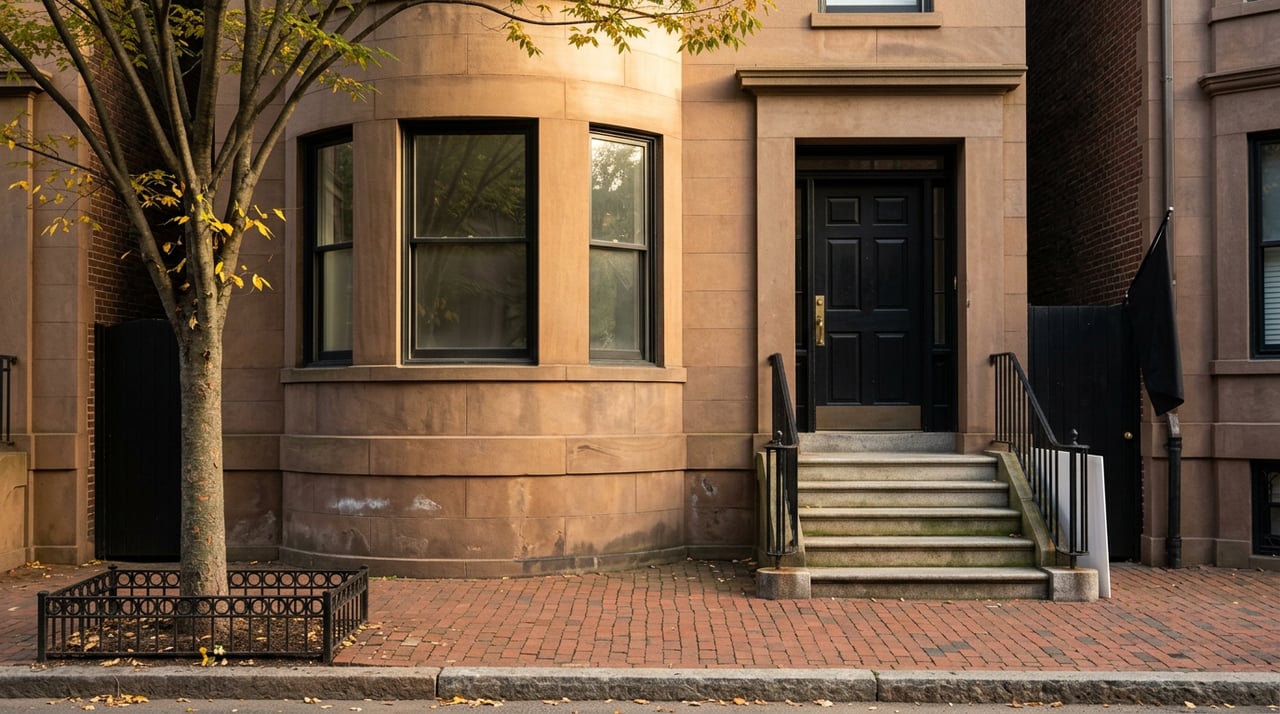
Classic Colonial and Cape homes anchor much of Needham’s housing stock. Colonials typically offer a 2-story, center-hall layout with defined rooms and bedrooms upstairs. Capes tend to be 1 to 1.5 stories with dormers and compact footprints, sometimes expanded over time.
- Colonials: center-hall plans, multiple living spaces, and traditional symmetry. Pros include character and room separation that can double as offices or playrooms. Cons often include smaller closets and less-open kitchens unless renovated (Colonial architecture basics).
- Capes: cozy scale, New England charm, and efficient footprints. Pros include manageable size and potential for main-level living if expanded. Cons are limited upper-level headroom and smaller primary suites unless dormered (Cape Cod style overview).
Layout and daily living
- Bedrooms: Older Colonials usually deliver 3 or more bedrooms upstairs with good separation from living areas. Capes may need dormers or an addition to match bedroom and closet needs.
- Kitchens and flow: Many older homes started with modest kitchens. If you prefer an open kitchen-family room with direct yard access, plan for a renovation budget.
Newer homes: what to expect
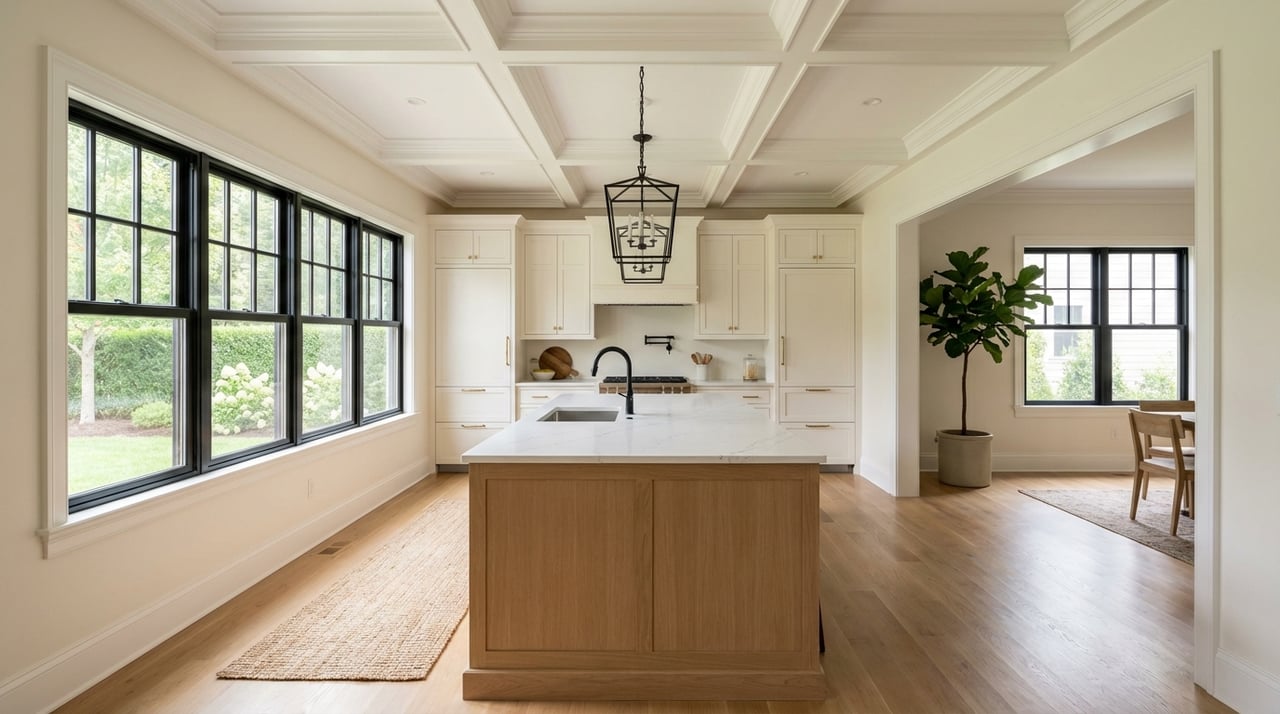
Newer construction and teardown rebuilds aim to deliver open living, larger bedroom suites, and modern systems. You’ll often see 200-amp electrical service, central HVAC or heat pumps, expanded mudrooms, and generous storage. Immediate maintenance is typically lower, though price points and lot context can be higher and vary by street.
Tradeoffs to weigh
- Space vs. location: New builds may cluster on certain streets where teardown activity is feasible. Established in-town lots near village amenities are often older stock.
- Yard and privacy: Confirm setbacks, neighboring projects, and site lines. In active teardown pockets, nearby construction can affect timing and privacy during your first year.
Systems and safety to budget
Older New England homes can carry hidden costs. Ask early and verify with permits and professional inspections.
- Lead paint: Homes built before 1978 may have lead-based paint. Renovations must follow EPA RRP rules and use certified contractors, which affects timing and cost (EPA RRP for consumers).
- Electrical: Very old wiring such as knob-and-tube or early aluminum can complicate insurance and lending. Many insurers require upgrades before binding coverage (Old house wiring overview).
- Oil heat and tanks: Older homes may have current or abandoned oil tanks. Underground or unknown tanks carry spill and cleanup risks, so confirm status and documentation (Oil tank guidance).
- Roofs, drainage, foundations: Expect these topics to feature in inspections. Use cost-vs-value benchmarks to gauge repair ROI versus comfort and risk reduction (Cost vs Value report).
- Insurance and loans: Lenders and insurers may require remediation of tank issues or active knob-and-tube before closing, which can affect timing and negotiations (Insuring older homes).
Energy and comfort upgrades
Whether you buy older or newer, energy performance matters for comfort and running costs.
- Mass Save programs: Massachusetts offers no-cost home energy assessments, generous insulation incentives, and rebates or financing for heat pumps and heat-pump water heaters. These can materially lower upgrade costs, especially in older homes (Mass Save overview).
- Project payback: Some modest kitchen refreshes and envelope upgrades often recoup a meaningful share of cost at resale. Full upscale remodels recoup less on average, so weigh comfort and lifestyle benefits alongside resale planning (Cost vs Value report).
Location, walkability, and commute
Needham’s village centers include Needham Center, Needham Heights, Needham Junction, and Hersey. Homes closest to shops, dining, and the Needham Line commuter rail stations tend to offer more walkability. Typical commuter rail rides into Boston vary by station and stop pattern, often about 25 to 45 minutes. Check current schedules, parking, and permit rules as part of your decision.
Teardowns, permits, and timelines
Teardowns are a long-running part of the local market, driven by demand for modern layouts on established lots. Before you plan one, get clear on the town process.
- Demolition permits: Needham requires a complete demolition permit packet, health and fire sign-offs, and utility disconnects. The town outlines steps and approximate timelines on its demolition pages (Town demolition guide).
- Historical Commission: Demolition is subject to a demolition-delay by-law and Historical Commission review, which can add months depending on findings and property status. Track any updates to triggers and procedures, as the process has been under active review in recent years (Local policy updates summary).
- Conservation and scenic roads: Lots near wetlands or on scenic roads may require additional reviews and conditions, which affects feasibility and timing (Conservation Commission).
Quick decision guide
Choose an older Colonial or Cape if you:
- Value historic character and traditional room separation for offices or play spaces.
- Want an established neighborhood setting with mature landscaping near village amenities.
- Are comfortable tackling targeted updates now or over time with incentives for energy work.
Choose newer construction if you:
- Prefer open flow, larger bedroom suites, and modern mechanicals out of the box.
- Want lower immediate maintenance and higher baseline energy performance.
- Need more square footage, storage, and garage capacity on day one.
Budget and pricing context
- Entry options: Smaller in-town Capes or ranches that need updating are typically the lower entry point yet remain well above state medians. Plan for renovation contingencies if you need more space.
- Mid-market: Renovated Colonials and expanded Capes command premiums for updated kitchens, baths, and systems. Set aside a 10 to 25 percent contingency for older-house surprises.
- Upper tier: Large new builds and full rebuilds can push medians higher, with lot size and street context driving price per square foot.
Recent vendor medians have ranged from the low $1.5M area into the mid $2M range based on timing and sales mix. Always anchor your offer strategy in very recent neighborhood comps and property specifics. For broad context on Needham’s housing age and recent pricing snapshots, see the data provider’s town profile (ATTOM).
12 questions to ask at a showing
What is the year built and the dates for roof, HVAC, electrical panel, and windows? Are there permits and receipts?
What is the heating fuel, and is there any oil tank present or previously removed? If removed, is there documentation and soil testing results? See common oil tank issues (oil tank guidance).
Has the home been rewired from knob-and-tube or early aluminum? What is the electrical service size? Learn why this matters (old house wiring overview).
Were kitchen, bath, dormers, or additions completed with permits? Are final inspections closed out?
Is the property subject to any demolition-delay or historic-inventory flag? Confirm with the town if teardown is a goal (Town demolition guide).
Any signs of water intrusion, prior basement work, radon systems, or sump pumps?
Roof age and expected remaining life. Use cost-vs-value data to frame repair vs. replacement planning (Cost vs Value report).
Are there wetlands, conservation, or scenic-road constraints that affect additions or rebuilds? Check early (Conservation Commission).
What EV charging, data wiring, and smart-home infrastructure exists?
Which public school assignment and bus options apply to the specific address? Confirm with the district directly.
What are the most relevant comparable sales on the immediate streets from the last 3 to 6 months?
Are there active or recent teardown or rebuild projects nearby that could affect light, privacy, or short-term construction disruption?
How we can help
You do not have to make this decision alone. With deep local experience and hands-on renovation and project-management guidance, you can weigh layout, systems, energy incentives, and permits against your lifestyle and budget. If you would like a clear, property-specific plan before you offer, connect with Jamie Grossman for a thoughtful consultation.
FAQs
What are the main differences between older Colonials and Capes in Needham?
- Colonials are 2-story, center-hall homes with defined rooms, while Capes are 1 to 1.5 stories with compact footprints and dormers, often needing expansions for larger bedrooms.
What maintenance issues commonly come up in older Needham homes?
- Lead paint in pre-1978 homes, older wiring types, aging roofs and drainage, and potential oil tank concerns are typical focus areas during inspections.
How do Massachusetts energy incentives help if I buy an older home?
- Mass Save offers no-cost assessments, major insulation incentives, and rebates or financing for heat pumps and water heaters that can cut upgrade costs significantly (Mass Save overview).
Could old wiring or an oil tank affect my mortgage or insurance?
- Yes, lenders and insurers may require remediation or upgrades for active knob-and-tube or oil tank risks before closing, which can add time and cost (Insuring older homes).
How does Needham’s demolition-delay by-law impact a teardown?
- Demolition is reviewed by the Historical Commission under a delay process that can add months, so plan for that timeline and verify your property’s status with the town early (Town demolition guide).
What price context should I expect when comparing older and newer homes?
- Medians vary by data provider and date, typically from the low $1.5M range into the mid $2M range, with mix and seasonality driving swings, so rely on very recent neighborhood comps (ATTOM profile).