Thinking about a Colonial or a Contemporary in Needham but not sure which one fits your life best? You are not alone. Many buyers love the charm of a classic facade yet want bright, open gathering spaces and modern systems. In this guide, you will learn how each style typically looks and lives in Needham, what to expect from systems and renovations, and how to tour with a sharp eye so you can make a confident choice. Let’s dive in.
Colonial homes at a glance
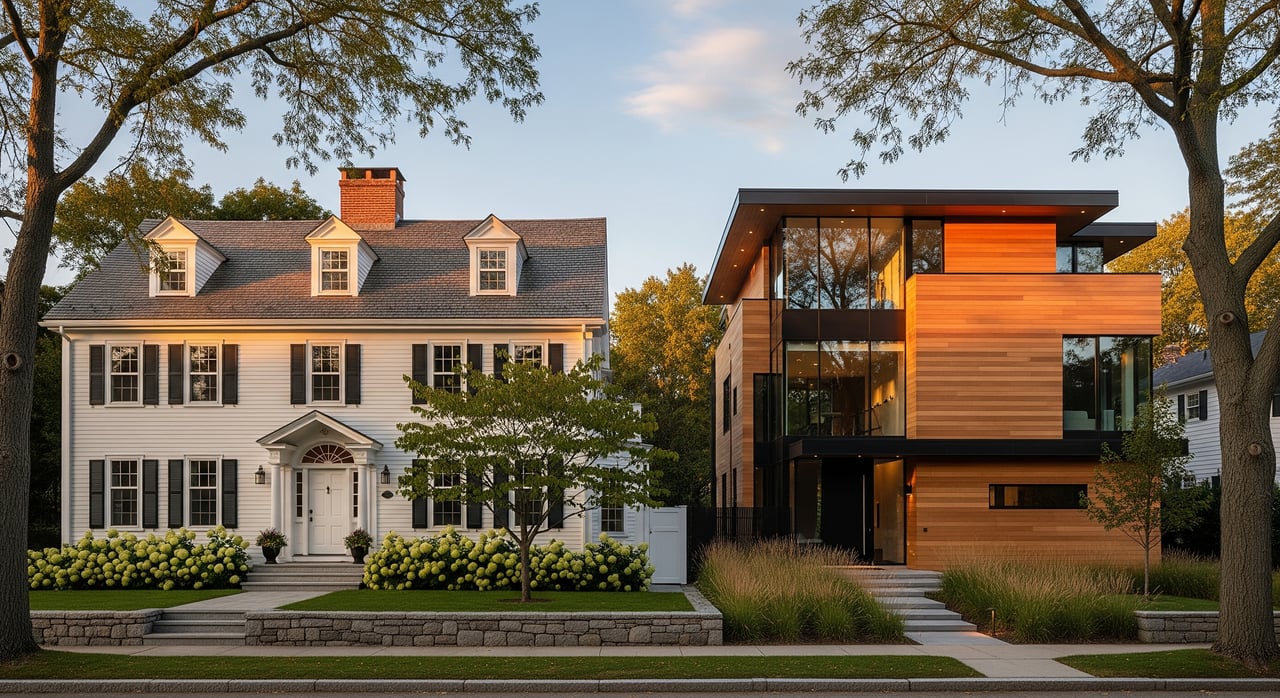
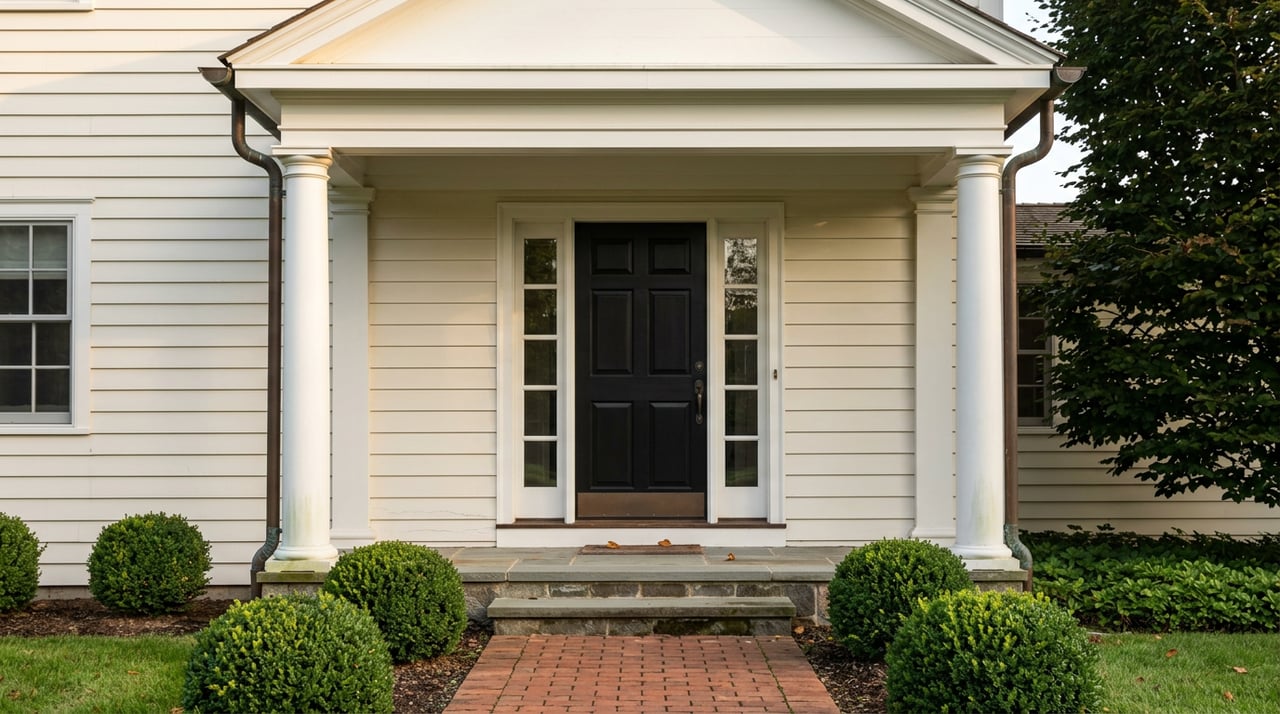
Colonials in Needham usually refer to Colonial Revival or earlier Georgian and vernacular forms that line the older neighborhoods near the town center.
- Symmetrical fronts, gabled roofs, and double‑hung windows with shutters are common.
- Most are wood frame with clapboard or shingle siding, sometimes brick on revival examples.
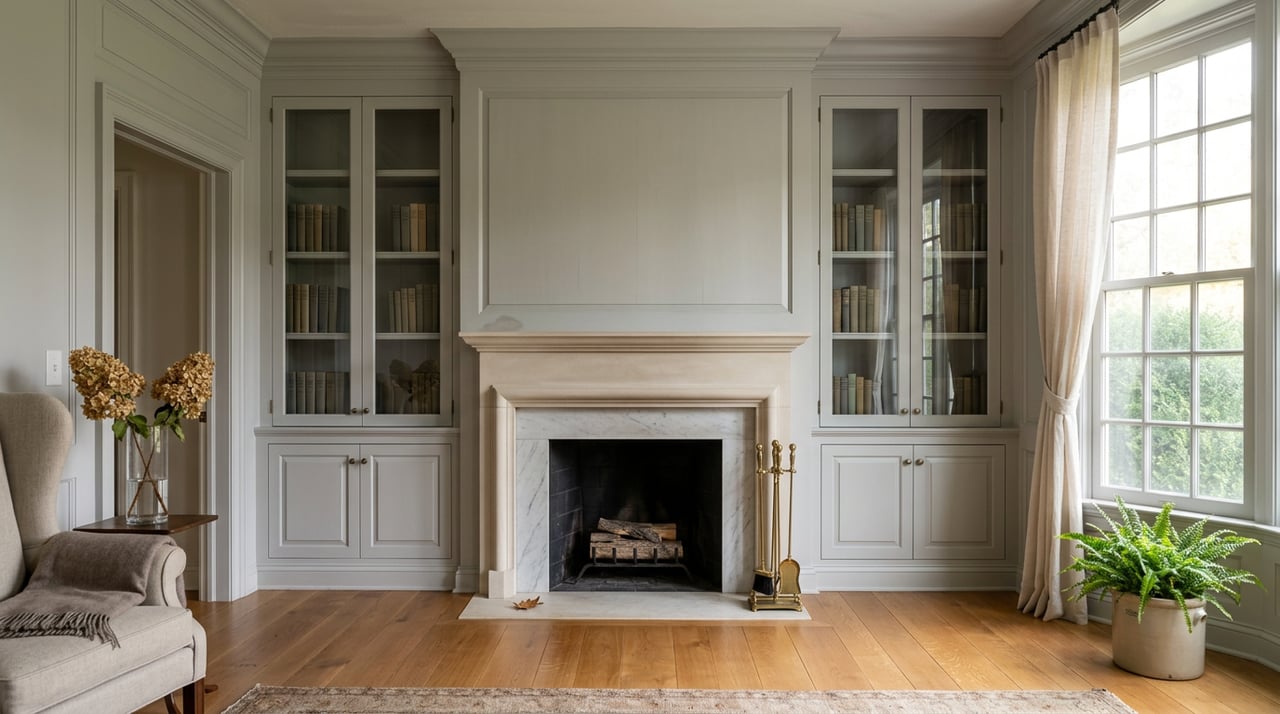
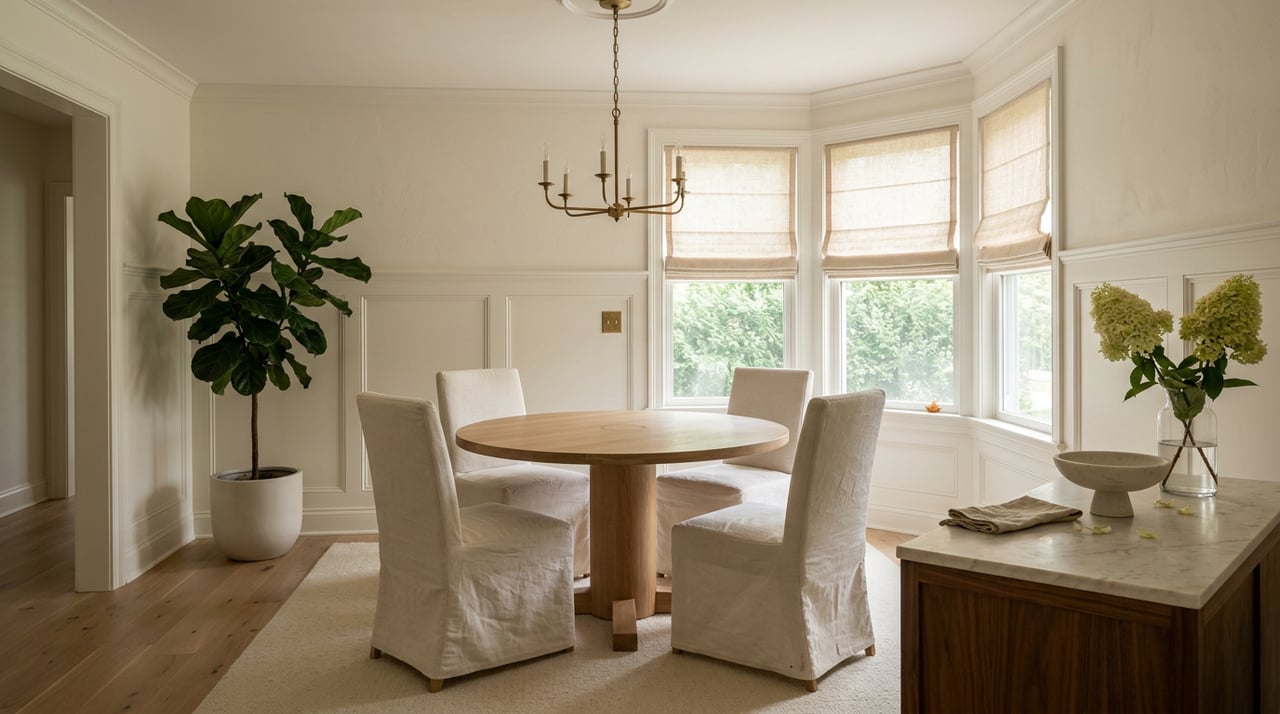
- Interiors often have a central hall with formal living and dining rooms and the kitchen toward the rear.
- Many offer 3 to 4 bedrooms on the second floor, plus a basement.
What you will notice day to day is a more defined room layout. You get distinct zones for quiet time, work, and entertaining, which can be a plus if you like structure and privacy.
Contemporary homes at a glance
Contemporary covers a broad mix in Needham, from mid‑century modern open plans to newer custom builds with tall ceilings and expansive glass.
- Asymmetrical facades, larger windows or glass walls, and varied rooflines are typical.
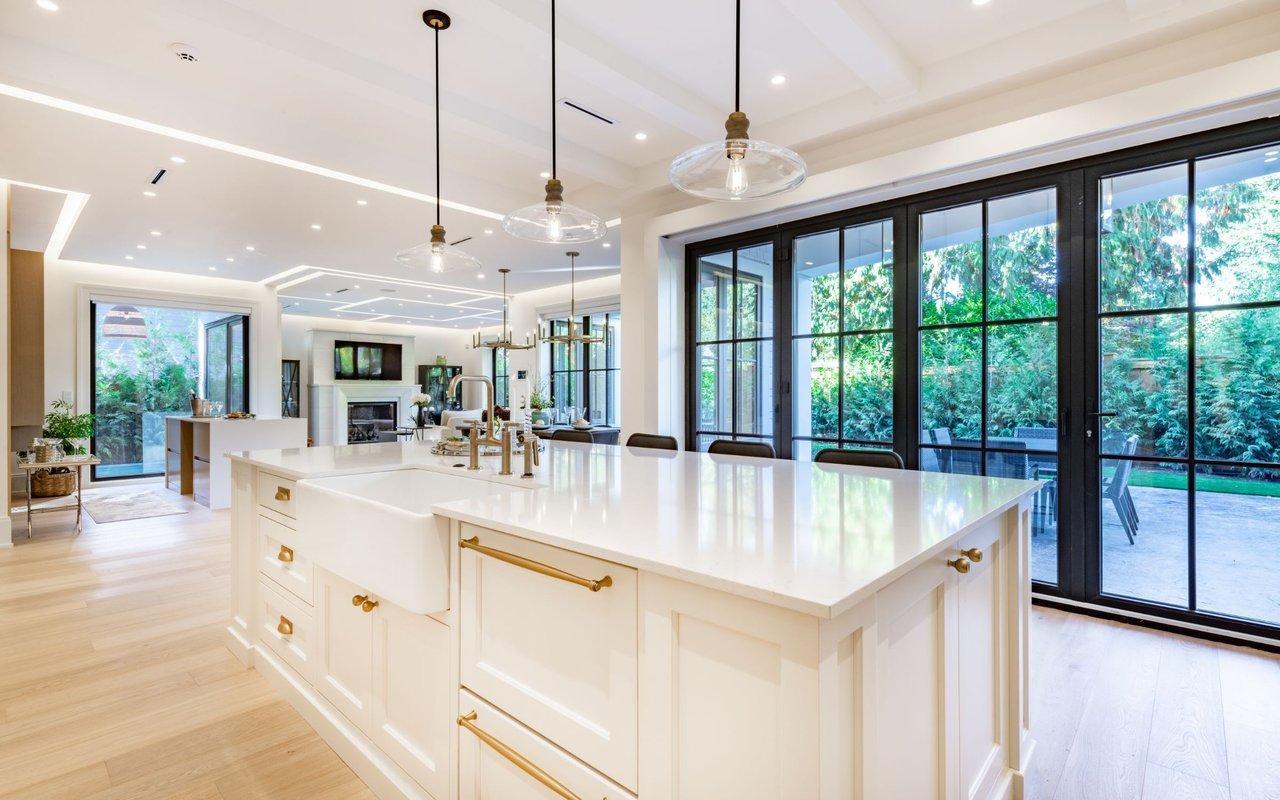
- Floor plans favor open kitchen, dining, and family spaces with flexible bonus rooms.
- One‑level and split‑level options appeal to buyers seeking fewer stairs and easier accessibility.
- Newer builds often include modern mechanical systems and higher electrical capacity.
If you prefer bright, connected spaces and indoor‑outdoor flow, Contemporary homes tend to deliver that feel.
Transitional homes in Needham
Transitional homes blend traditional exteriors with updated interiors. You often see a classic gable or hip roof outside and a modern, open kitchen and family area inside.
- Older shells, such as 1920s Colonials, are modernized by removing walls and adding structural supports.
- New builds may echo historic massing while offering contemporary finishes and layouts.
- For many move‑up buyers, transitional design is the sweet spot between curb appeal and current living needs.
Where you will find each style
Needham’s older sections and the town center feature many Colonial and early 20th‑century homes on mature lots. Needham Center and Needham Heights tend to offer older housing stock with walkable amenities. Post‑WWII neighborhoods show more Capes and modest Colonial forms, many of which have been expanded or rebuilt over time.
Across town, infill lots and teardowns have brought a wave of larger contemporary and transitional designs. You will see these on existing suburban lots where buyers value newer systems, taller ceilings, and open plans.
Layout and daily living
Choosing between Colonial and Contemporary often comes down to how you want to live every day.
- Colonials: Defined rooms work well if you value quiet separation for work, homework, or formal entertaining. Many owners open the rear of the main floor to create a combined kitchen and family area.
- Contemporaries: Open plans make it easy to cook, supervise activities, and entertain in one connected space. Larger primary suites with en suite baths are common.
- Transitional: You get a classic front appearance with a reworked interior that focuses on a larger kitchen, better circulation, and a great room feel.
If you need fewer stairs, a single‑level or split‑level contemporary may be a strong fit. If you prefer distinct zones, a Colonial may feel just right.
Lots, light, and outdoor space in Needham
Needham is a mature suburb with a wide mix of lot sizes. Many properties have:
- Private yards with mature trees and established landscaping.
- Driveways and attached garages suited for family vehicles.
- Lot depth that can support rear additions, subject to zoning setbacks and approvals.
Pay attention to orientation. A south‑facing backyard can provide better natural light for indoor spaces and outdoor living. Also consider whether conservation or wetland buffers could limit additions or hardscaping. Local boards review work in regulated areas, so it helps to understand if a property has constraints before you plan a project.
Systems and upkeep: what to expect
Mechanical systems vary by age and style.
- Heating and cooling: Older Colonials may have oil‑fired boilers or furnaces. Many have converted to natural gas where available. Newer homes are more likely to have high‑efficiency gas or heat pump systems. Ask about age, service records, and whether there is central air.
- Electrical: Older homes may still have 100‑amp service or outdated panels, and very old wiring could include knob‑and‑tube that needs remediation. Contemporary homes often have higher capacity panels and space for EV chargers and smart systems.
- Foundations and basements: Colonials can have stone or poured concrete foundations. Look for cracking or moisture. Some contemporaries sit on poured concrete or slabs, which affects basement finishing options.
- Insulation and efficiency: Many older homes are under‑insulated by today’s standards. Attic, wall, and rim‑joist insulation upgrades can be cost‑effective. Massachusetts homeowners can explore energy audits and rebates through statewide programs.
- Hazardous materials: Homes built before 1978 may have lead‑based paint. Asbestos can appear in older insulation or floor tiles. Testing and licensed abatement are recommended before any major work. Older homes can also have buried or active oil tanks that require inspection or closure.
A thoughtful systems review can help you budget and avoid surprises. If energy upgrades are on your list, look into state programs that offer assessments and incentives.
Renovation potential and permits in Needham
Opening the first floor of a Colonial to create a larger kitchen and family area is a popular project. You may need a structural beam or steel to replace load‑bearing walls. Moving plumbing and HVAC lines can add complexity and cost.
Second‑story additions or dormers can be feasible but depend on the foundation, the roof structure, and local setbacks. Full‑scale remodels in contemporary houses often allow easier reconfiguration of mechanicals and finishes, though insulation and older materials may still need attention.
For most structural or systems work, you will need building permits from the Town. Properties in local historic districts or those considered historically significant may require review by the Historical Commission for exterior changes. If a home is near wetlands or waterways, the Conservation Commission may review additions or site work.
Costs vary widely based on scope and site conditions. It is wise to obtain multiple bids with clear written scopes. For energy upgrades or mechanical conversions, research statewide incentives and utility programs.
Touring checklist: Colonial vs Contemporary
Use this quick list to compare homes efficiently and ask targeted questions.
Structural and exterior
- Roof age, material, and signs of leaks or sagging.
- Foundation cracks, moisture, or prior repair documentation.
- Siding condition, rot, or peeling paint. Note historic materials that may require specialized care.
- Window operation and glazing type.
Systems and utilities
- Heating fuel type, system age, and service records.
- Presence of central air or mini‑split units.
- Electrical panel size and type. Look for older fuses or panels.
- Plumbing materials, visible leaks, and main shutoff location.
- Clues of oil tanks, such as fill and vent pipes or a tank sweep history.
Interior and layout
- Floor plan flow and light. Do rooms match how you entertain and work from home?
- Ceiling heights and window sizes.
- Basement moisture and egress, especially if you plan to finish the space.
- Storage and garage capacity for your needs.
Permits, history, and constraints
- Request permits and certificates for past additions and major work.
- Ask if the property is in a local historic district or has conservation restrictions or easements.
- Verify municipal water and sewer connections or confirm if there is a private system.
Environmental tests to consider
- Radon test.
- Lead paint test for pre‑1978 homes.
- Oil tank sweep where applicable.
Bring photos of key areas and record the ages of the roof, HVAC, water heater, and electrical panel if available.
Which style fits your goals
- You love classic curb appeal and defined rooms: A Colonial can offer a timeless look with the option to open the rear plan over time.
- You want light, volume, and easy entertaining: A Contemporary often gives you open common spaces, larger suites, and smoother indoor‑outdoor flow.
- You want both: A transitional home pairs a traditional exterior with the modern interior most families seek today.
Also consider location and daily logistics. Needham’s MBTA commuter‑rail line, access to I‑95 and Route 9, parks, and retail centers influence both your commute and resale value. Proximity to these amenities varies by neighborhood, so factor that into your search.
How Jamie helps you compare and plan
Choosing the right home is part style and part strategy. With more than 30 years advising buyers and sellers across Metro West, Jamie evaluates floor plans, systems, and renovation potential on site so you understand what each property can become. If you are weighing an open‑plan remodel in a Colonial versus a newer Contemporary, you will get clear guidance on feasibility, approvals, timelines, and likely trade‑offs. Jamie’s vendor network can help you price upgrades, schedule inspections, and map out a practical plan before you make an offer.
Ready to find the right fit in Needham? Reach out to discuss neighborhoods, short‑list homes, and a smart path to your ideal layout and style. Connect with Jamie Grossman for a personalized plan.
FAQs
What is the main difference between Colonial and Contemporary homes in Needham?
- Colonials emphasize symmetrical exteriors and more defined rooms, while Contemporaries favor open plans, larger windows, and modern systems.
How do Colonial and Contemporary layouts affect daily living and entertaining?
- Colonials create quiet, separate zones for formal living, while Contemporaries connect kitchen, dining, and family spaces for easier hosting and everyday flow.
What renovations are common when updating a Needham Colonial?
- The most common project is opening the main floor for a larger kitchen and family area, which may require structural beams and HVAC or plumbing relocation.
What maintenance issues should I expect with older Needham homes?
- Older homes may have under‑insulated walls and attics, aging heating systems, outdated electrical panels, and potential lead paint or asbestos that require testing.
Are there local approvals that can affect additions or exterior changes in Needham?
- Yes. Building permits are required for most projects, and properties in historic districts or near wetlands may need review by the Historical or Conservation Commissions.
Which style is better for accessibility needs in Needham?
- Single‑level or split‑level Contemporaries can reduce stairs and improve accessibility, while Colonials typically have bedrooms on the second floor.
What should I verify with the seller or agent before offering on a Needham home?
- Ask for permits for past work, system ages and service records, utility connections, any historic or conservation constraints, and results of environmental tests.