Newton 02465 Micro-Market: What Buyers Should Expect
January 22, 2026
January 22, 2026
Are you eyeing West Newton’s 02465 ZIP for your next move? You’ll find a classic New England village feel, strong municipal services, and fast regional access that keep demand steady year-round. At the same time, you’ll navigate older housing stock, tight single-family inventory, and offer norms that can feel intense if you’re not prepared. In this guide, you’ll learn what’s typical for housing types, pricing dynamics, inventory patterns, and how to compete confidently without taking on unnecessary risk. Let’s dive in.
ZIP 02465 covers West Newton and parts of Newton Corner, just west of Boston. The village setup, access to Cambridge and Boston job centers, and Newton’s municipal services support consistent buyer demand. You’ll see active local centers with shops, dining, and parks that attract move‑up buyers and relocators.
Transit and commuting shape the market. The West Newton MBTA commuter rail stop, local bus routes, and quick connections to Route 9, the Mass Pike, and I-95/128 make daily travel manageable. That access, paired with Newton’s address-specific public school assignments, helps explain why some listings draw strong interest the moment they hit the market.
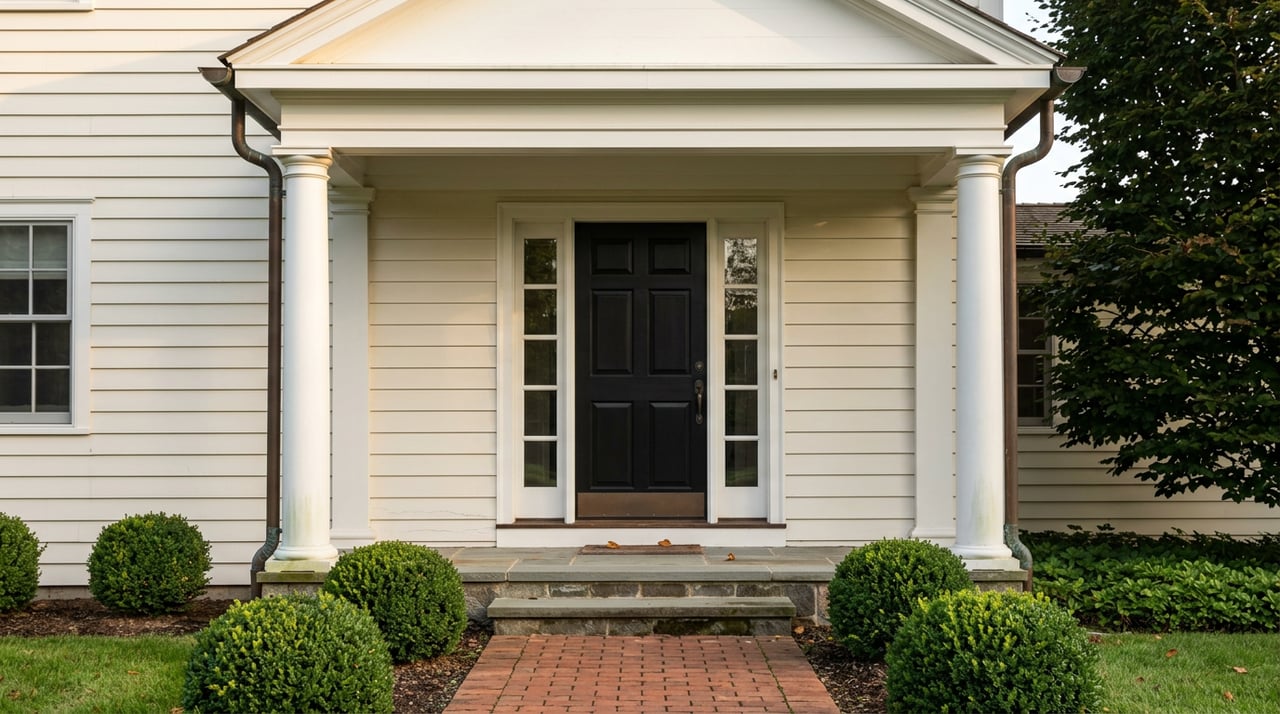
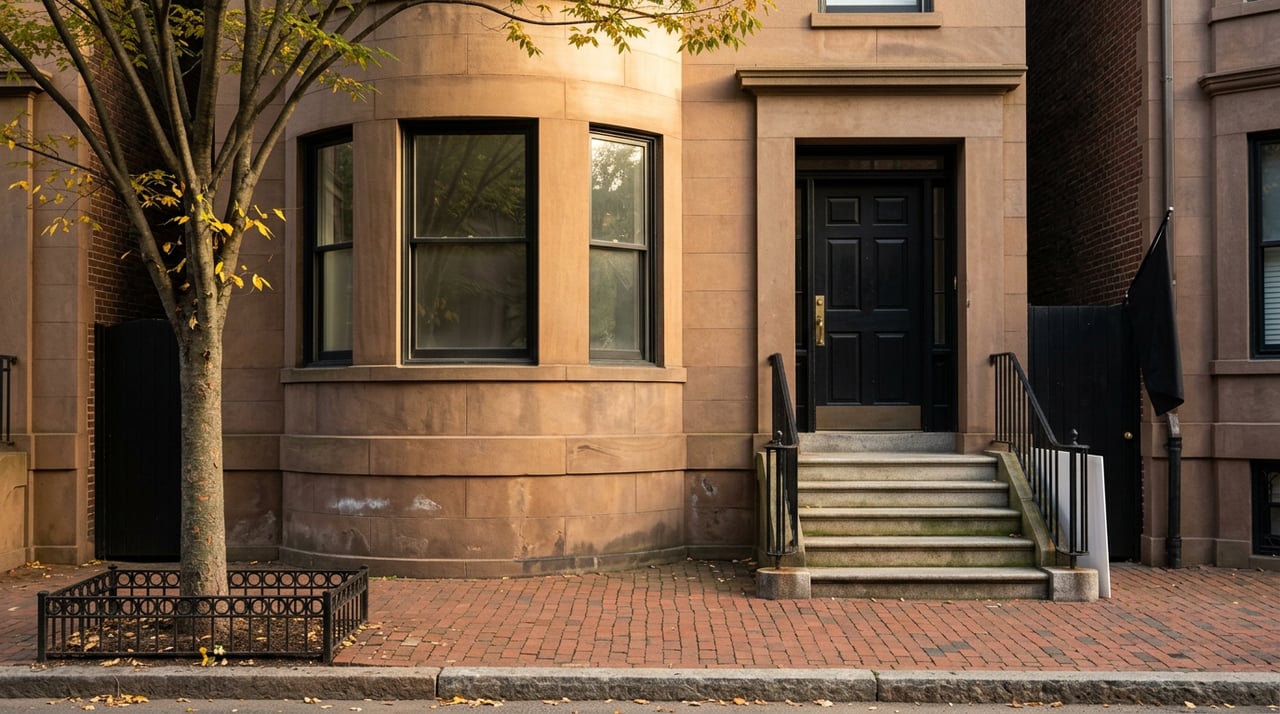
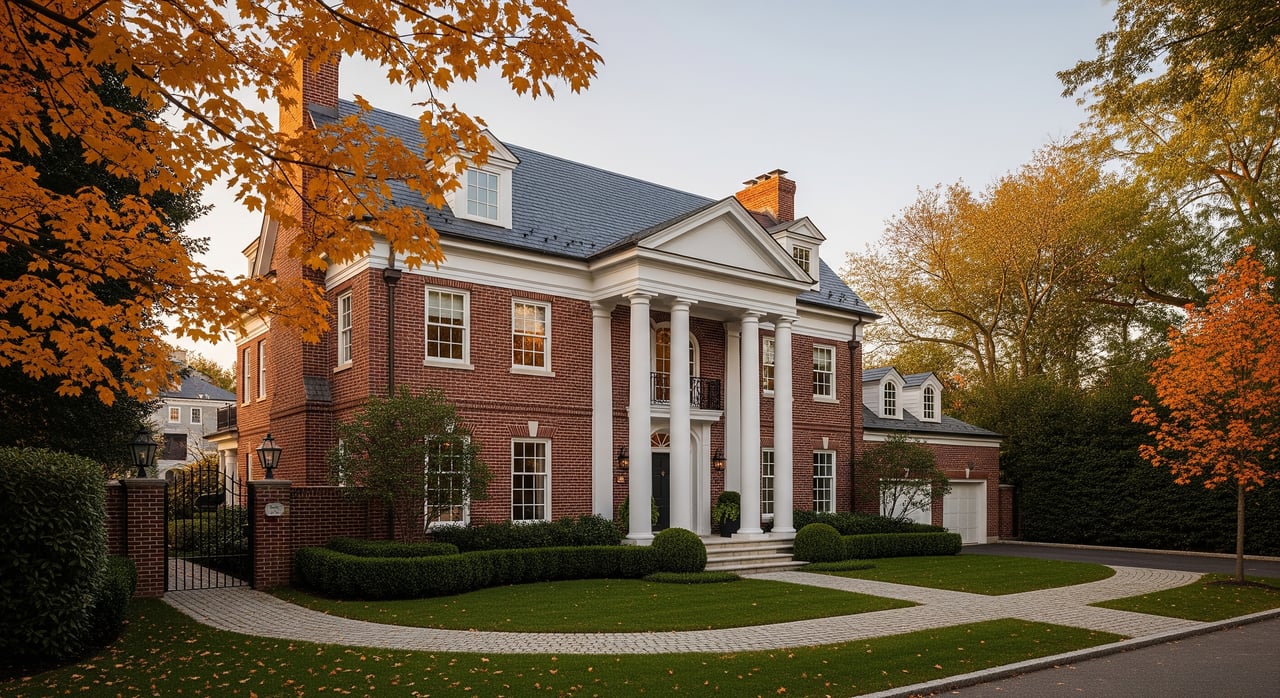
You’ll find a wide mix, including Colonial and Victorian-era homes with early 20th-century revival styles. Many have been updated or fully renovated, yet it’s common for older homes to need mechanical upgrades over time. As you tour, plan to evaluate heating and cooling age, insulation, electrical capacity, and windows so you budget accurately for future work.
Condos include garden and mid-rise buildings plus conversions of older homes, often closer to commercial corridors and transit. Review condo documents, rules, reserve funding, and any recent or pending special assessments. Understanding the homeowners association’s financial health will help you avoid unexpected costs.
Two- to four-family homes appear around transit corridors and popular streets. These appeal to investors and owner-occupants seeking supplemental income. Confirm rent rolls, lease terms, tenant status, and local licensing requirements. Build time into your offer to review financials and perform building-wide inspections.
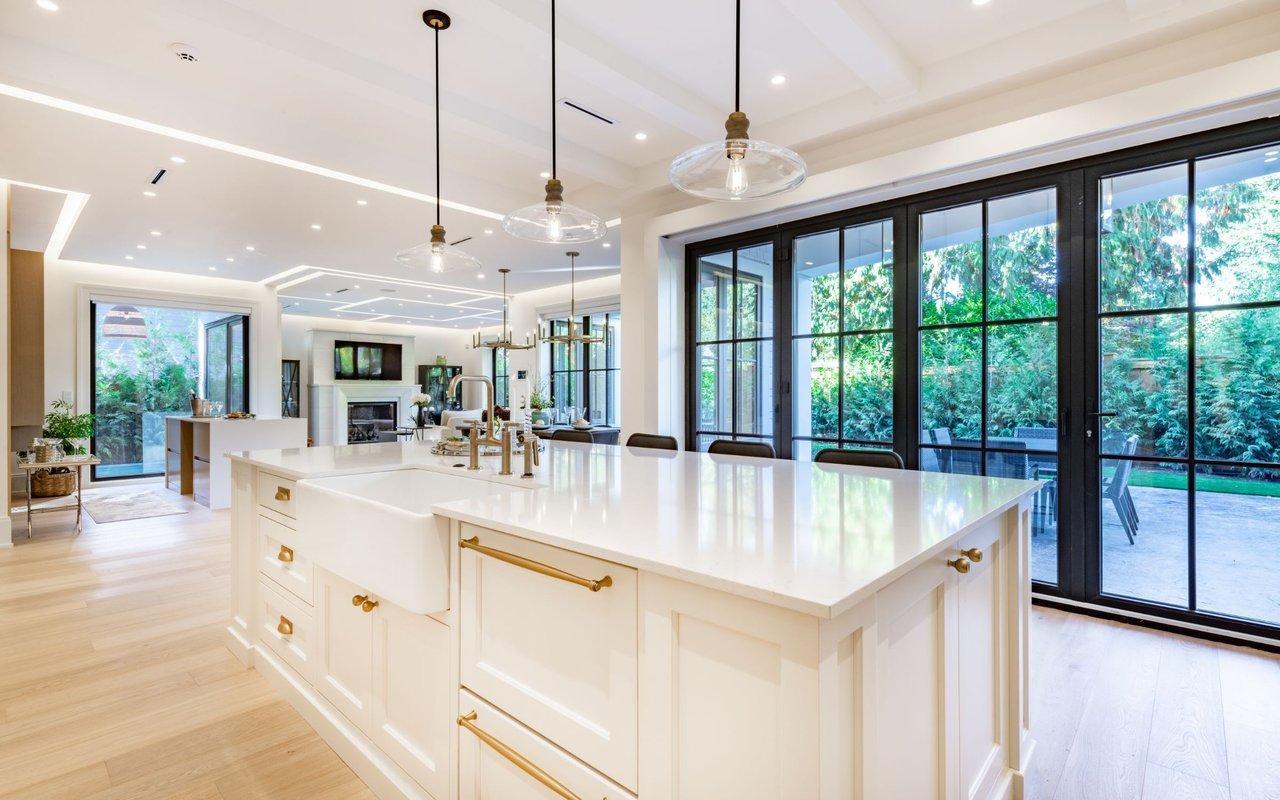
Infill construction and tear-downs do occur but at a lower frequency than in some neighboring suburbs. Premium, recently built or fully renovated homes command higher prices per square foot and tend to move quickly when location and finishes align with buyer expectations.
Instead of locking into fixed numbers that shift month to month, use these bands to frame your search. Ask for current, ZIP-level statistics before you write an offer.
You might focus on condos or smaller single-family homes with efficient footprints. Priorities often include commute, address-based school assignment, and lower maintenance. You’ll typically see more condo options than entry-level single-family inventory.
Larger single-family homes with yards and flexible living areas are the target for many relocating or growing households. These properties in established neighborhoods tend to attract multiple bidders when updated and well located.
If you want a fully renovated historic home or newer construction, expect limited choices at any given time. Premium per-square-foot pricing reflects both scarcity and the cost of recent improvements.
Two- to four-family properties can work for income or partial owner-occupancy. Analyze rental income, expenses, and market dynamics. Confirm leases and verify tenant status to avoid surprises post-closing.
Single-family inventory in desirable Newton villages is historically tight. Condos and multifamily units tend to have relatively higher turnover. Spring is the most active season for new listings and showings, while fall and winter bring fewer listings and fewer competing offers.
To understand how tight the market is today, focus on months of supply. Under roughly three months is a seller’s market. A balanced market typically shows about four to six months. Pair that with median days on market, list-to-sale price ratio, and the share of sales that closed above asking in the last 90 to 365 days. Ask your agent for a fresh 02465 report when you are ready to make a move.
On move-in ready single-family homes in strong locations, full-price or above-list bids are common. You may encounter multiple offers, highest-and-best deadlines, and occasional escalation clauses. Strong pre-approval and clean terms matter.
Some buyers shorten or waive contingencies to compete, such as appraisal, financing, or inspection. This can improve your odds, but it increases risk. If you shorten an inspection window, plan for rapid scheduling and be clear about your walk-away thresholds.
Even in competitive situations, many buyers try to keep a standard inspection. Negotiation is most likely when inspectors find material defects such as roof issues, structural concerns, or major systems at the end of life. If you forgo an inspection, you accept the risk of hidden costs that may surface after closing.
When offers exceed list price, appraisal shortfalls can occur. Some buyers add appraisal gap language to bridge the difference. If you consider this path, ensure you have the cash to cover a potential gap and understand how it impacts your overall budget.
For two- to four-family purchases, include a clear due-diligence period for leases, rent rolls, utility allocation, and building-wide inspections. Confirm compliance with local occupancy rules before you remove contingencies.
If a home ranks high, move quickly. Ask your agent for recent comparable sales and a suggested offer strategy. Confirm any contingency plan, inspection timing, and whether the seller has a stated deadline. Speed and clarity help when multiple offers are likely.
Newton Public Schools are a major demand driver, and assignments are address-specific. Verify the assigned schools early in your search and include that information in your saved search criteria.
Proximity to the West Newton commuter rail station, bus routes, Route 9, the Mass Pike, and I-95/128 influences demand and pricing. Properties closer to transit and village amenities often command a premium, especially when paired with updated interiors and outdoor space.
Zoning rules, historic district guidelines, and neighborhood conservation restrictions can affect additions or tear-down feasibility. Before you make an offer contingent on a future renovation, consult the city’s planning and permitting resources to understand what is possible on that parcel.
Include property taxes, typical utility costs, and any municipal fees in your ownership budget. For condos, add HOA dues and any pending or recent special assessments to compare apples to apples across listings.
When you are ready to act, request a fresh, ZIP-level data brief for 02465 so you can bid with confidence. The most helpful metrics include:
A current, local snapshot helps you calibrate offer strength, choose contingencies wisely, and avoid overpaying for the wrong house while staying competitive for the right one.
If you want efficient, confident decision making, pair a focused search with up-to-date micro-market data and a plan for inspections and negotiation. You can set up MLS email alerts for on-market listings and request a personalized match that includes coming-soon opportunities, commute constraints, and address-based school preferences. For a calm, high-touch search backed by 30+ years in Metro West, connect with Jamie Grossman to get started.
Stay up to date on the latest real estate trends.